

1. Drive On the Left Side of the Road
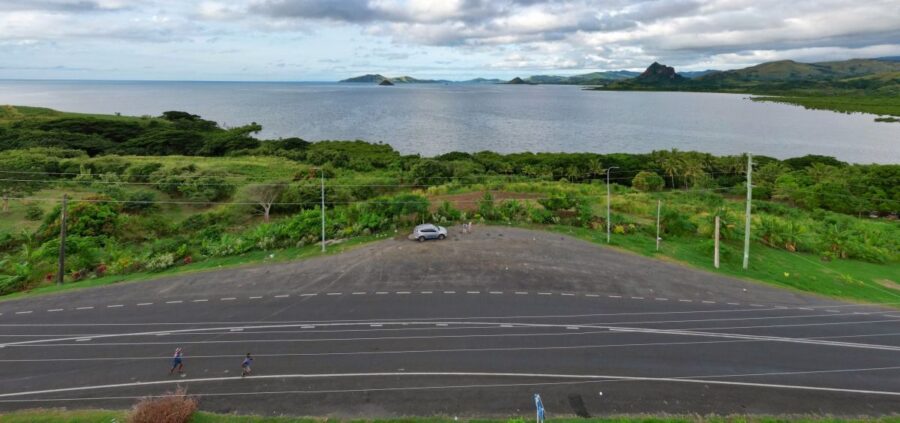
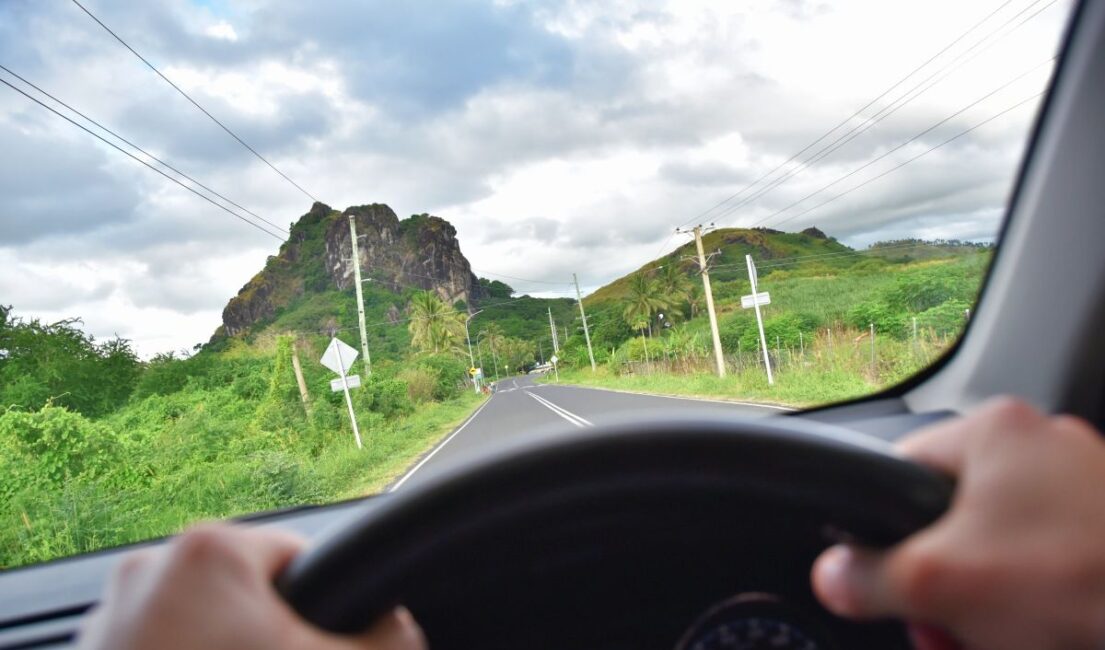
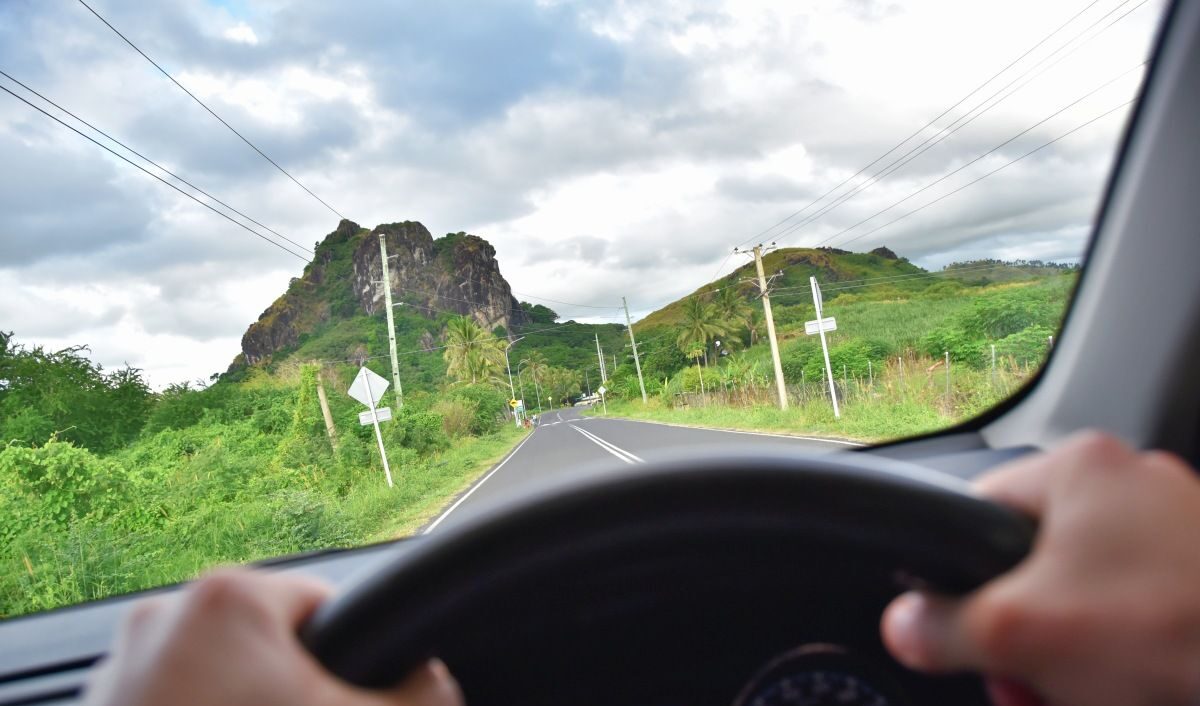
Unlike most of the world, Fiji has a left-drive system similar to that of the UK, Australia, and New Zealand. This stems from its British colony history and remains probably the most obvious sign of British colonisation today (aside from the Union Jack on the Flag). Long story short, make sure to stick to the left side of the road. Don’t worry; you’ll quickly get used to this way of driving.
Note that there can be a few road rules that some people get used to when driving on the left side of the road, such as who gives way at roundabouts and uncontrolled T-intersections. We have more tips on these in How to Drive in Fiji + 10 Road Rules You Need to Know.
 © FijiPocketGuide.com
2. Know the Speed Limits
Don’t be “that guy” who drives around like they’re still in Sydney traffic! The speed limits are pretty low in Fiji: Tte maximum speed limit you will encounter is 80 kph (50 mph) on the main highways outside of the cities. The speed limit is 50 kph (30 mph) in cities, towns and villages. Finally, the speed limit may be 60 kph (40 mph) when approaching a city.
 © FijiPocketGuide.com
3. Watch Out for Animals on the Road…
There are a lot of animals and people on the roads in Fiji, especially at night, so always be aware of that. In villages, people hang out on the side of the road, usually walking on the side of the road due to the lack of footpaths. It’s not uncommon to see cattle, dogs, goats and even horses taking up the road, too.
Livestock like cattle and horses graze on the sides of the road, even wandering across from time to time with little concern for cars. This means that you need to be a little warier about these hazards and slow down when approaching. Dogs are also common on the side of the road, but they tend to move out of the way of cars.
 © FijiPocketGuide.com
4. … And Watch Out for People on the Road Too
Especially in villages, locals will walk on the road and dangerously close to moving traffic with little concern for cars. Don’t expect people to just move out of the way of traffic; slow down to avoid them with ease.
 © FijiPocketGuide.com
5. Keep an Eye on Other Drivers
A concern for some visitors to Fiji is how the locals drive. The short way to describe it is: inconsistently! Some locals drive painfully slow, while others have a heavy foot on the accelerator. Luckily, the Fijian authorities have had a bit of a crackdown on speeding over the past few years, with more speed cameras, speed bumps and police cars parked outside of towns and villages to keep the racers in check.
Other issues visitors have with local drivers are they sometimes stop suddenly, overtake on blind corners, and don’t always stick to the left side of the road when navigating bends.
For visitor drivers, we suggest that you be extra switched on when driving (if you don’t already do that), be aware of what is happening on the road and drive safely, sticking to the speed limits or slower so that you have time to respond to things happening on the roads.
 © FijiPocketGuide.com
6. Be Prepared for Basic Roads
There are no huge American-style highways in Fiji. Most of the roads are two-lane sealed countryside roads. While there are upgrades to the roads regularly to reduce potholes, there are still a lot more potholes than you might be used to if you come from a more developed country. Slow down when approaching potholes to keep control of the vehicle.
 © FijiPocketGuide.com
7. Overtake Carefully
Many of the roads in Fiji are winding and only two lanes, so real care must be taken when overtaking. Even with the low 50 kph (31 mph) speed limit, many of the locals choose to drive slower, so sometimes it’s best to go with the flow and embrace “Fiji time“rather than trying to overtake every vehicle you encounter.
 © FijiPocketGuide.com
8. Be Prepared for Driving on Unsealed Roads
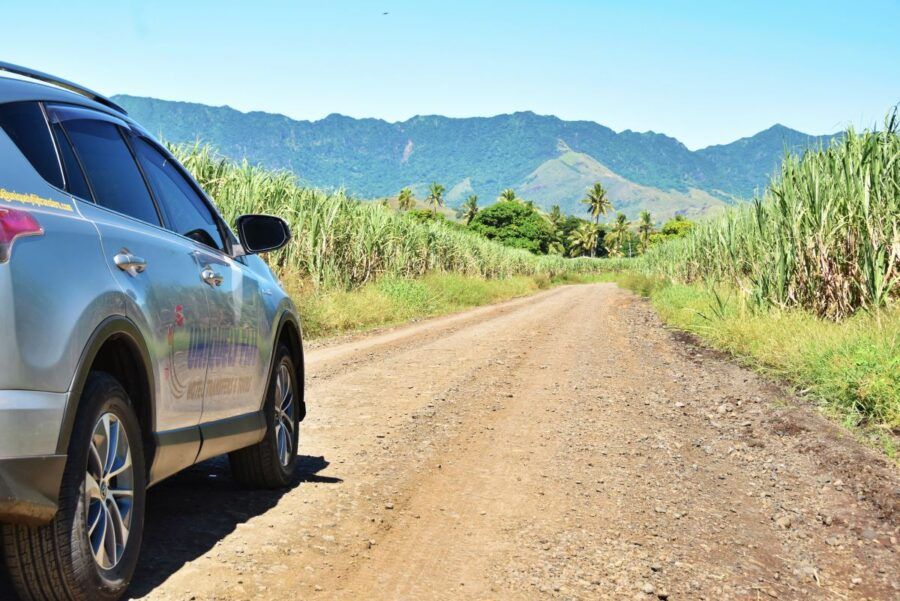
Fiji has around 7,500 km (4,660 mi) of roads. Around 1,700 km (1,056 mi) of those roads are sealed, but luckily, those roads are the roads that most visitors use. The roads in Viti Levu‘s coastal towns and villages are sealed, along with the Queens Road and the Kings Road, which follow the coast between Nadi and Suva. On Vanua Levu, the road between Savusavu and Labasa is also fully sealed (although still covered in potholes the closer you get to Savusavu), as is some of the Hibiscus Highway following the coast from Savusavu.
That leaves about 5,800 km (3,600 mi) of unsealed roads in Fiji, which are trickier to drive for those not used to driving on gravel or dirt roads. Some gravel roads are easy to drive as long as you drive slow enough to be in control, while dirt roads are best attempted in a 4WD and/or high-clearance SUV vehicle.
 © FijiPocketGuide.com
9. Be Extra Careful When Driving After Dark…
Outside the main towns, lighting on the roads is extremely limited, making it harder to see the hazards mentioned above. For this reason, many visitors choose not to drive outside the towns at night.
 © FijiPocketGuide.com
10. … And When Driving in Wet Conditions
Being a tropical country, Fiji has hard rainfall, often making it harder to see, the roads more slippery, and the depth of potholes harder to judge. Not to mention, the dirt roads become pretty slick after rainfall. Take extra care when driving in wet conditions.
 © FijiPocketGuide.com
11. Know How to Use Roundabouts
Roundabouts are used in Fiji, which can throw off some of our American friends. When approaching a roundabout, give way to vehicles approaching from the right.
 © FijiPocketGuide.com
12. Don’t Use Your Phone When Driving
For obvious reasons, such as being extremely distracting, using your phone while driving in Fiji is illegal. It’s especially dangerous when the roads are unfamiliar, so leave your phone duties to your co-pilot.
 © FijiPocketGuide.com
13. Wear Your Seat-Belt
Fiji might seem like a relaxed country, but most people agree that it’s just plain dumb to be relaxed about safety. It is mandatory in Fiji for both front and back passengers in vehicles to wear safety belts. And don’t forget to buckle up the little ones in the back. Only some Fiji rental car companies have baby seats to hire, so be sure to inquire before choosing a rental company.
 © FijiPocketGuide.com
14. Plan Extra Time
Due to the low speed limits, hazards on the road, some unsealed roads, the scenery and picture stops, and the fact that everyone else on the road is on Fiji time, you will want to plan extra time for any trips you are taking. Always assume the drive will be longer than expected. But hey, taking your time and going with the flow is what a Fiji road trip is all about. Check out The Driving Times in Fiji You Need to Know.
 © FijiPocketGuide.com
15. Lock It or Lose It
Just like you would at home, lock your car when you leave it unattended. Petty crime is not uncommon in Fiji, so take all the usual protocols and commonsense steps to keep your vehicle and belongings safe. See How to Stay Safe in Fiji for more on the subject.
 © FijiPocketGuide.com