

About Mosquito-Borne Diseases in Fiji
Before we get into the methods of avoiding mosquito bites, here is a quick FAQ about mosquito-borne diseases in Fiji.
Is There Dengue Fever in Fiji?
Yes, there have been outbreaks of mosquito-borne diseases in Fiji especially dengue fever, which causes high fever, headache, etc. In short, it can put a real downer on your holiday, making it all the more important to take some steps to protect yourself from mosquito bites. Learn more about dengue fever and how to treat it in our guide, Is it Safe to Travel to Fiji? You can also learn more about dengue fever on the Fiji Ministry of Health website.
Is There Chikungunya in Fiji?
Less common is chikungunya, which has historically had outbreaks in Fiji. Check travel advisories for outbreaks before you travel.
With all of the above in mind, we have designed this guide to several ways to avoid mosquito bites in Fiji. Let’s begin!
1. Use Mosquito Repellents
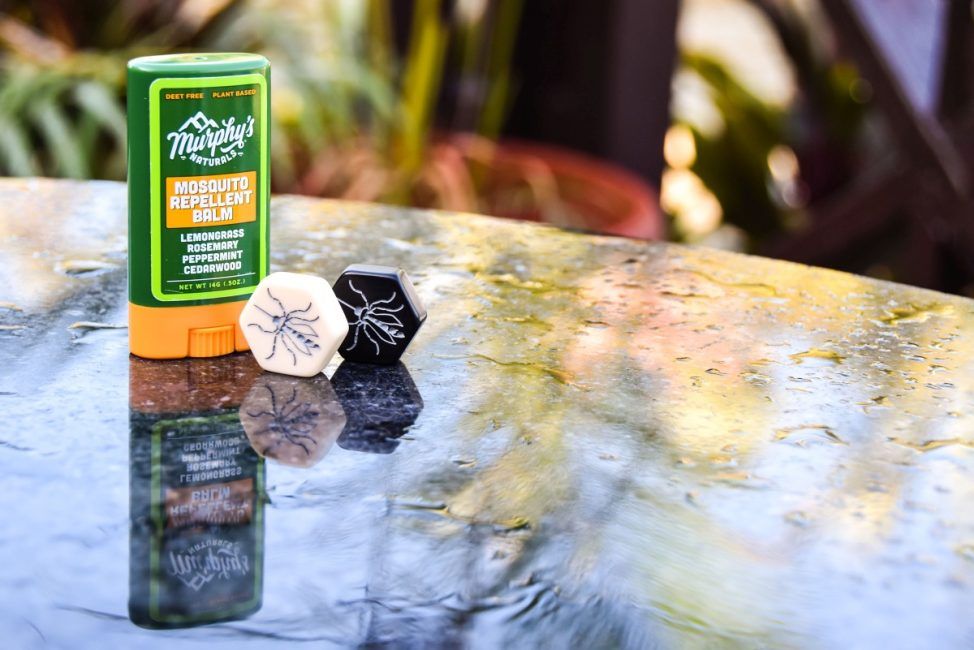
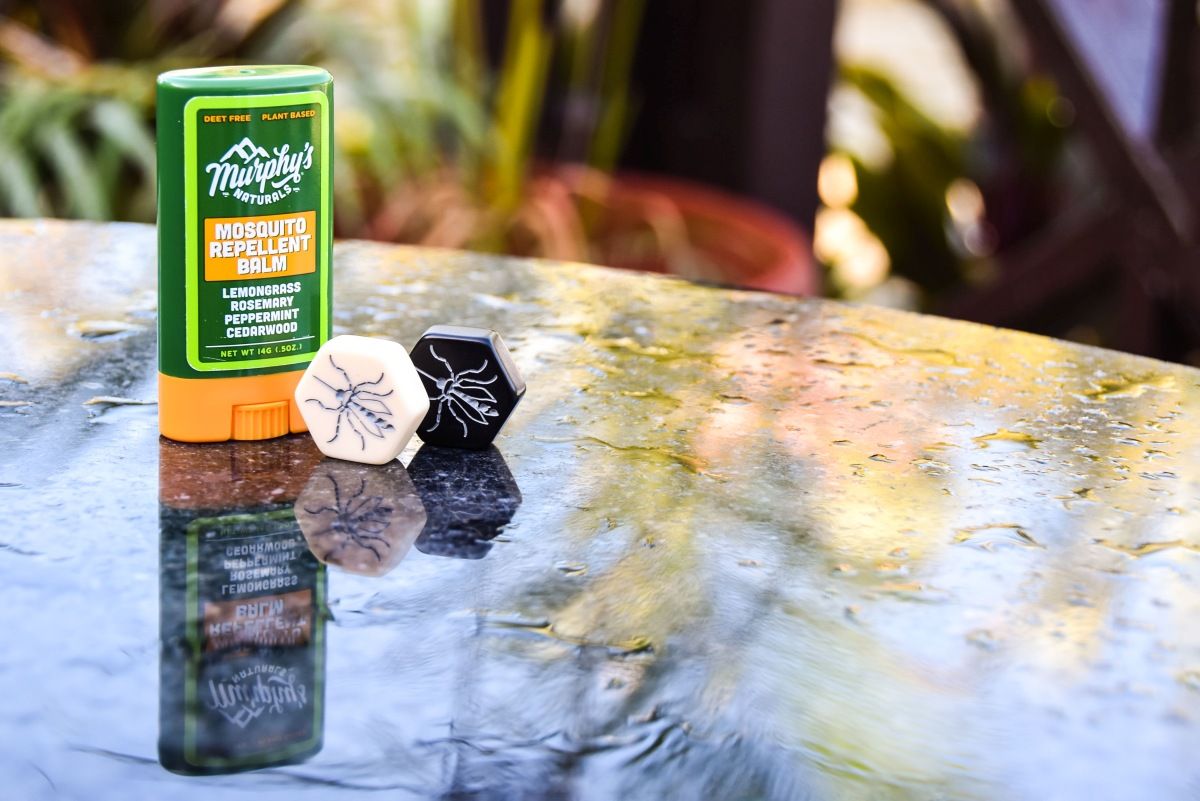
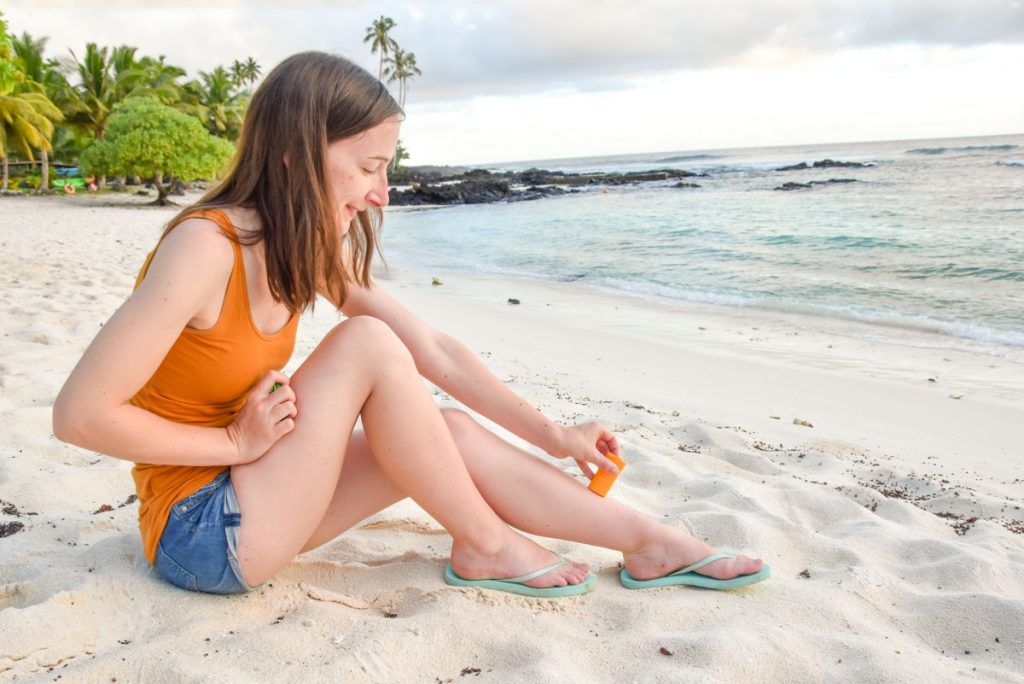
Sprays, creams, soaps, bracelets, stickers, wipes and roll-on gels: natural mosquito repellents come in many interesting forms! Just check out the 10 Best Natural Insect Repellents for Fiji for our tried and tested recommendations! Natural ingredients like lemon, eucalyptus, geranium, vanilla bean extract, cedarwood, rosemary, lemongrass and more are all effective natural ingredients to deter mosquitos. What’s more, they are free from DEET, which is otherwise toxic to the skin, especially when mixed with sunscreens, moisturisers and other skin products.
 © FijiPocketGuide.com
2. Stay in Leading Resorts
Fiji’s leading and larger resorts do their utmost to protect their guests from mosquitoes. Resort staff spray mosquito repellent around the resorts regularly to keep the mosquitoes at bay. Don’t worry, there are no funny chemical aromas because of this; you won’t even know they are doing it. Need some inspiration? Check out The Top 50 Resorts in Fiji!
 © FijiPocketGuide.com
3. Head to the Yasawa Islands
A small island group stretching north of Viti Levu, the Yasawa Islands benefit from being the driest part of Fiji. For this reason, they are known for having fewer mosquitos. So consider hitting one of the island resorts or homestays up there and enjoy your time in paradise! Get started on your holiday planning by checking out some of the 20 Best Resorts in the Yasawa Islands.
 © FijiPocketGuide.com
4. Wear Long-Sleeved Clothing
The science is pretty easy on this one: wear a long-sleeve layer and without exposed skin, you won’t be bitten. This is not really a high-tech solution but it works wonders. It’s usually a method we rely on, especially as Fiji has quite a modest cultural dress code in towns and villages. In fact, some clothing brands are starting to design clothing with insect-repellent technology integrated into the fabric. For example, ExOfficio offers full spectrum insect protection from mosquitoes, ants, ticks and even flies!
 © FijiPocketGuide.com
5. Avoid Going Out Just After the Rain
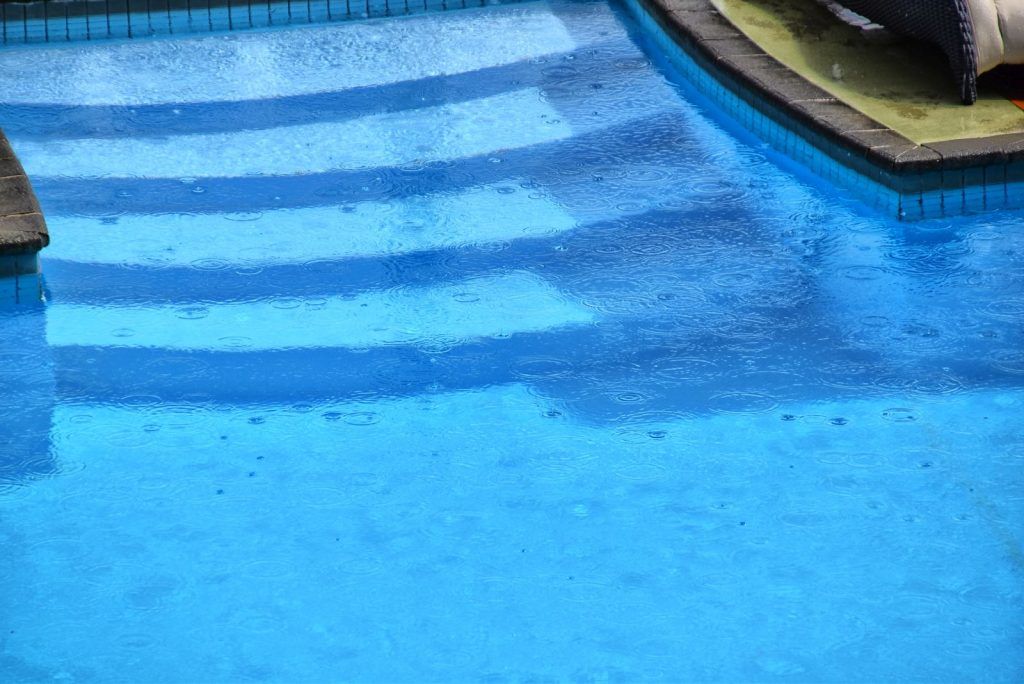
Mosquitoes are most active right after a rainstorm. The increased humidity in the air gives them wings (literally!), so give it a few hours after it has been raining before heading out. If you’re worried about mosquitoes, consider spending the next 12 hours hanging out in the resort or getting out on the ocean with some kayaking or snorkelling, where mosquitos are far less present around moving water. Get more inspiration from the 20 Things to Do in Fiji on a Rainy Day!
 © FijiPocketGuide.com
6. Don’t Hang Out Near Stagnant Ponds or Puddles
As we were saying, mosquitoes love the wet weather, and they love stagnant pools of water more. Stagnant ponds or puddles are where mosquitoes live, so take your casual chat away from any stagnant water areas. Swimming pools are fine, as the water is always moving, but you might want to consider taking a sun lounger away from any puddles on the floor.
 © Fiji Pocket Guide
7. Avoid the Wet Season
For reasons we’ve already discussed, you might also want to avoid the wet season in Fiji. Fiji’s wet season is between November and April and is when you will find the most mosquito activity. That’s only if you desperately want to avoid the mosquitoes. While we usually recommend visiting Fiji in its quietest season, if you really want to avoid mosquitos, the wet season is best avoided.
 © Pexels
8. Choose an Accommodation with Mosquito Nets, Fly Screens, Mosquito Kits, etc.
We can’t think of any hotel, resort, bure or even homestay in Fiji that won’t supply either mosquito nets over the beds or netted screens over the windows. Some resorts even have “Mosquito Kits” with spray or coils. If you’re staying somewhere where you suspect there are no mosquito nets available, bring your own travel mosquito net. Check out more things to pack in our Fiji Packing List.
 © FijiPocketGuide.com
9. Take Vitamin B
You know what mosquitoes don’t love? Vitamin B! While it’s not solidly scientifically proven that vitamin B keeps mosquitoes at bay, it is a popular belief that having enough of it in your system will help. Vitamin B is plentiful in seafood, like fish, crab and clams (which isn’t exactly difficult to find in Fiji), as well as bananas, potatoes and eggs. Alternatively, you can take Vitamin B dietary supplements. Ask your doctor in case of doubt. For more pills to pop, check out What Medication to Pack in Your First Aid Kit for Fiji.
 © Fiji Pocket Guide
10. Stay Inside at Dusk and Dawn
While mosquitoes can bite at any time of the day, the prime feeding time and frenzy of activity are during dusk and dawn. During these times, it’s best to stay indoors if you want to avoid mosquito bites. Maybe opt to have your breakfast and evening meals inside.
 © FijiPocketGuide.com
How to Treat Mosquito Bites
If you still manage to get bitten by mosquitos, then a few remedies to fight the itch include:
- Take Antihistamine – The main purpose of taking antihistamines before or after being bitten by a mosquito is to remedy allergic reactions. They also help prevent or soothe itching. What’s more, antihistamine is even known to help prevent getting bitten in the first place! However, if you have any doubts about taking antihistamine tablets, it’s always best to consult with your doctor first.
- Apply Antiseptic Cream – When thinking about what to pack in your first aid kit for Fiji, we suggest packing a good antiseptic cream. It is particularly helpful to disinfect and soothe mosquito bites. Keeping on top of your bites is the best way to cope with mosquitoes if you start getting bitten.
- Use a Mosquito Bite-Soothing Gadget – Commonly known as a “Zapit” device, these mosquito-soothing devices are nifty little gadgets to help reduce the urge to scratch your itchy mosquito bites. Just hold the device over your skin and press the button to release a quick burst of electricity on the affected area. Some devices also allow you to adjust the strength of the zap to make it suitable for kids. Check out popular Zapit devices like Bite Helper.
- Apply Ice – Histamines, which cause the itchiness associated with mosquito bites, dilate blood vessels filling the area bitten with excess blood. The cold, however, can help constrict blood vessels and make the area feel a lot less itchy. So put some ice or an ice pack on your mosquito bite.
Finally, Get Your Vaccinations Done
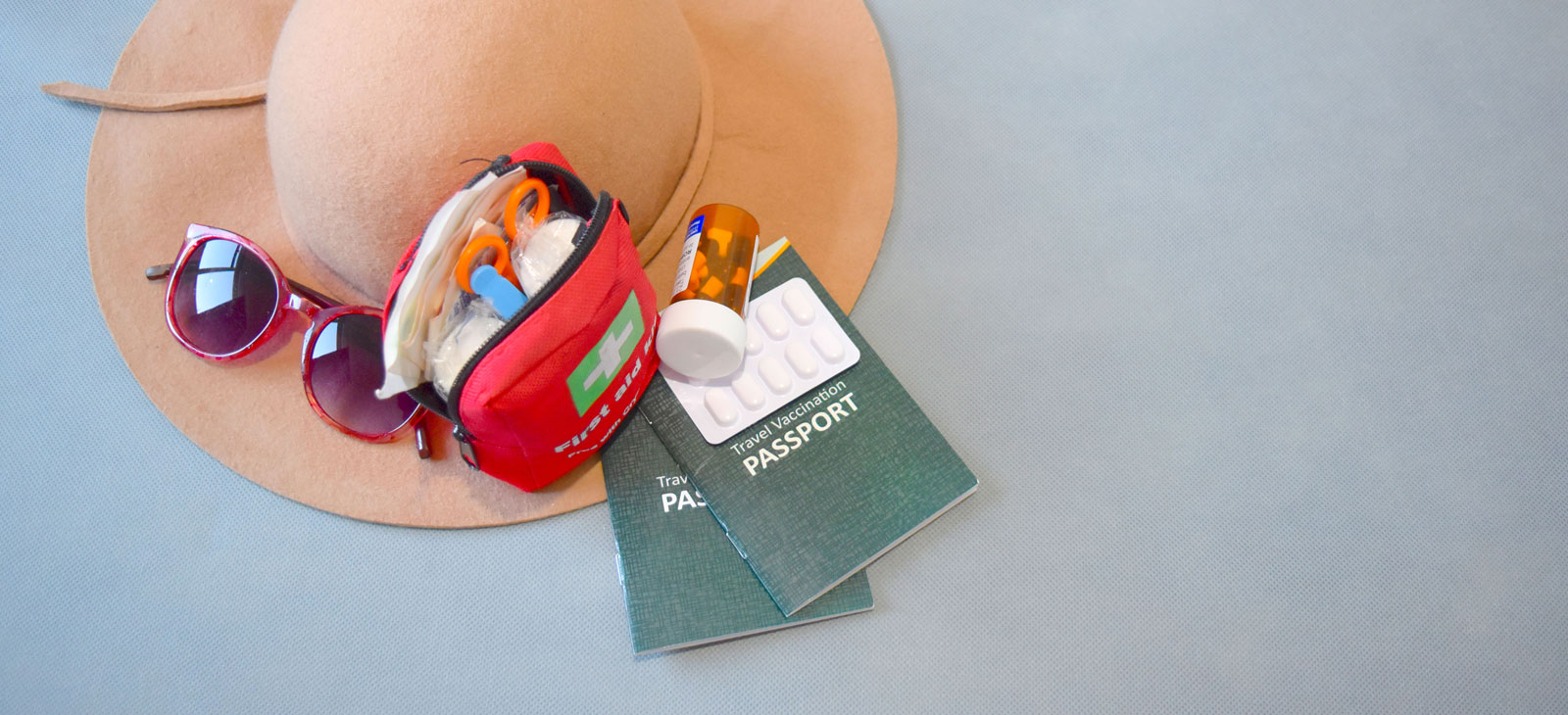
While mosquito-spread diseases are not common in Fiji and dengue fever can’t be prevented with vaccines, we feel that this is still a good place to remind you of vaccines that are recommended for Fiji, including vaccines for measles, Hepatitis A and typhoid. Learn more on the subject in our guide, Do You Need Vaccines to Travel to Fiji?
 © Pexels