
6 Ways to Make Sure the Water is Safe to Drink in Fiji
If you have any doubt about drinking water in Fiji follow these tips on making sure the water is safe to drink…
- Boil the water first – boiling water for 10 minutes or longer kills bacteria and is the best way to make sure water is safe to drink.
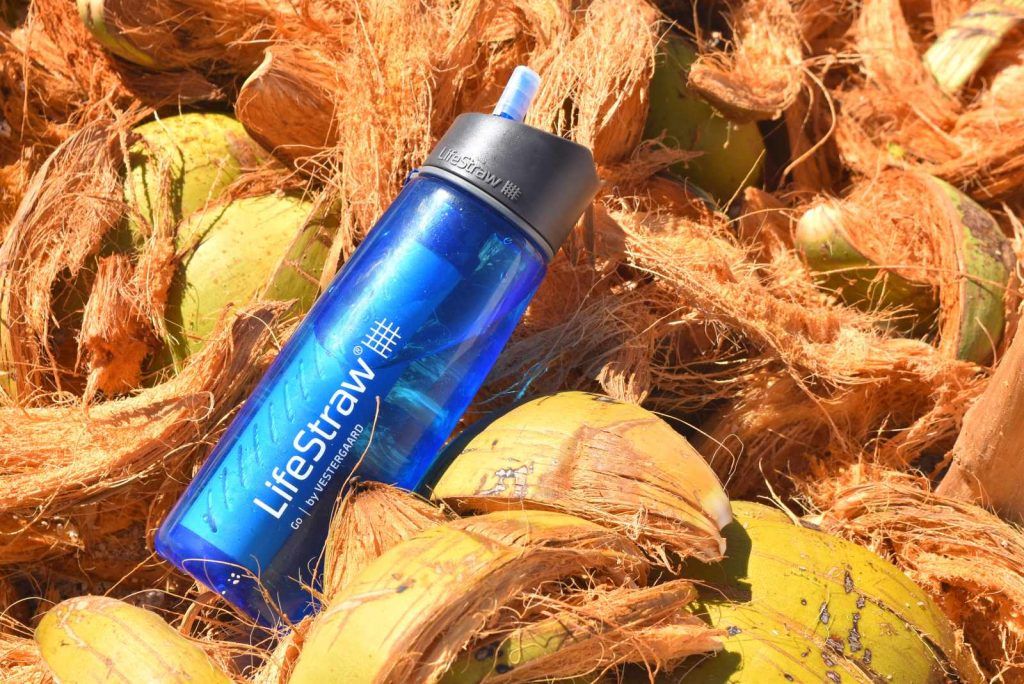
- Use a Lifestraw Bottle – it includes a filtration system that makes your water safe to drink while also avoiding the use of disposable water bottles.
- Stay at a resort/accommodation with a water filtration system – Some of the accommodations in Fiji provide filtrated tap water for their guests, or at least a filtered water drinking station to refill water bottles, so ask if the water is safe to drink when researching a place to stay.
- Use water purifying tablets – This method comes as little sachets or tablets and, when mixed into your water for a certain amount of time, will kill most bacteria and parasites present in it making it safe to drink.
- Ask where to get drinking water – note that if you’re staying with locals in a village, for example, then you should boil their recommended water anyway.
- Drink bottled water – Although not super for the environment, buying bottled water from your resort or a supermarket is a good way to stay safe.
We elaborate further on these points in the “The Best Ways to Make Sure Water is Safe to Drink” section below.

 © FijiPocketGuide.com
Is it Easy to Access Safe Drinking Water in Fiji?
Visitors to Fiji generally do not have a problem accessing safe drinking water. In our experience, we have had access to tap water in every destination visited (and that’s all island groups); it’s just been up to us to make sure we treat the water before drinking – see our tips for such in “The Best Ways to Make Sure Water is Safe to Drink” section below. For those who prefer to purchase bottled water, it’s best to purchase bottled water at supermarkets in towns before heading to remote areas.
Drinking Water on Viti Levu, Vanua Levu, Taveuni and Kadavu
On the larger islands of Fiji, like Viti Levu, Vanua Levu, Taveuni and Kadavu, there is a significant amount of permanent surface water sources. This, as well as groundwater in some cases, is what is used to source water in Fiji’s towns and cities. Although water in towns and cities is treated, it might not always be safe to drink from the tap, according to a recent AUT (New Zealand) study that found bacterial contamination, particularly coliforms, in treated and untreated tap water in the Nadi and Lautoka areas. It’s also important to note that villages on these islands usually do not have treated tap water. In all cases, it’s best to treat water yourself before drinking from the tap.
Drinking Water in the Mamanuca, Yasawa, Lau and Lomaiviti Islands
On Fiji’s smaller outer islands, like the Mamanucas, Yasawas, Lau Islands, Lomaiviti Islands, etc. there are little to no surface water sources, so settlements rely on groundwater or rainwater for drinking, of which there is plenty to sustain a small village. This water is usually stored in tanks or barrels for drinking. Therefore, it is recommended to treat water yourself before drinking from the tap.
Bottled water is generally easy to access in Fiji. Bottled water is sold in most stores, as well as within resorts – even on the outer islands. However, you will not always be able to buy bottled water in Fijian villages, so come prepared when visiting remote areas.
 © FijiPocketGuide.com
Is the Water Treated in Fiji?
The water is treated only in some parts of the country. In short, water is treated for drinking in towns and cities, but not outside these areas, such as villages, rural areas or outer islands.
How is the Water Treated in Fiji?
The Water Authority of Fiji has around 44 water treatment facilities to treat water, so it is safe to drink from the tap in Fiji’s main towns and cities.
Treatment facilities put water through a process of Water Intake → Aeration → Coagulation → Sedimentation → Filtration → Disinfection → Fluoridation → pH Correction. The chemicals used in Fiji’s water treatment are as follows:
- Aluminium Sulphate – as a coagulant
- Polymer – as a coagulant aid
- Sodium Carbonate – for coagulation pH adjustment
- Pre-chlorination – if needed
- Hydrated Lime – for pH adjustment
- Chlorine gas – as a disinfectant
- Fluoride – to prevent tooth decay.
Note that although there are water treatment facilities in Fiji, the water quality is still not up to the WHO standards, so we still recommend that visitors treat tap water before drinking.
Where is the Water Not Treated in Fiji?
Always assume that the water is not treated outside of the main towns and cities of Fiji. The water is generally not treated in the following types of locations:
- Villages (including both on the large and small islands)
- Small towns
- Outer islands
- Inland rural areas.
It’s important to note that although there is drinking water in the above locations, it is not treated. Although the locals often find the water safe to drink, there may be higher concentrations or unfamiliar strains of bacteria, like E.coli, present in the water. It’s unlikely that visitors will have built up an immunity to particular bacterial strains, which can cause traveller’s diarrhoea.
Is the Tap Water Safe to Drink in Fiji Resorts?
As a general rule, the tap water at resorts in Fiji is not safe to drink, although there are plenty of exceptions. Guests are usually informed where to get filtered water (typically at reception or the bar) or are provided with bottled water in their room. Just to be safe, we always recommend asking if the water is safe to drink wherever you stay in Fiji.
 © FijiPocketGuide.com
The Best Ways to Make Sure Water is Safe to Drink
For any adventurous traveller wanting to explore the outer islands of Fiji, don’t be put off by the fact that you probably can’t drink water straight from the tap. There are plenty of other ways that you can make sure you have water to drink while you’re in paradise.
Boil the Water
Bringing the water to a boil for 10 minutes is probably the best-known method of purifying water. It kills parasites, bacteria and even viruses and ensures that it is fully safe to drink. Plus, it is the cheapest water purifying method out there. Note that boiling water in a kettle won’t effectively kill bacteria; water must be boiled for several minutes.
If you want to ensure you can use this method to treat water, check out accommodations with kitchen facilities in the 20 Best Self-Catering Accommodations in Fiji.
Buy a Water-Purifying Water Bottle
By far our favourite solution of them all, water-purifying bottles like the Lifestraw Bottle removes 99.9999% of waterborne bacteria and 99.9% of the waterborne protozoan. That means that there is no boiling necessary and that you can fill up your water bottle from any tap in Fiji and know that you have a filtration system with you. Although they are not the cheapest option, once the initial purchase is made, all you have to do is to replace the filtration cartridge when it expires.
Although there are alternative brands to Lifestraw, this is just the one that we use when travelling the Pacific, so we can confidently recommend it. When looking for alternatives, make sure to search for “water-purifying” and not “water-filtration”, as filtration only improves the taste of the water.
For more handy things to pack for Fiji, check out What to Pack for Fiji: A Full Fiji Packing List.
Use Water Purification Tablets
Use any reusable water bottle, drop a water purifying tablet and “voila!” This method has been trialled and tested for years, and despite the fact that it gives a bit of a weird taste to the water, it is widely used by travellers around the globe.
If the taste is an issue for you, try a water-purifying solution. Although a bit more expensive, it offers better taste and water clarity than tablets. Price-wise, this is still going to save you tens of dollars compared to buying bottled water all trip long.
Buy Bottled Water
Although bottled water is extremely bad for the environment in terms of energy use for production (2,000 times more than distributing tap water), not to mention the plastic polluting the world’s waterways and oceans, it is nevertheless another safe option for drinking water in Fiji. Bottled water is readily available to purchase in convenience stores, supermarkets, pharmacies and even remote resorts.
Learn more about buying the necessities in Fiji in The Guide to Food Shopping & Supermarkets in Fiji.