


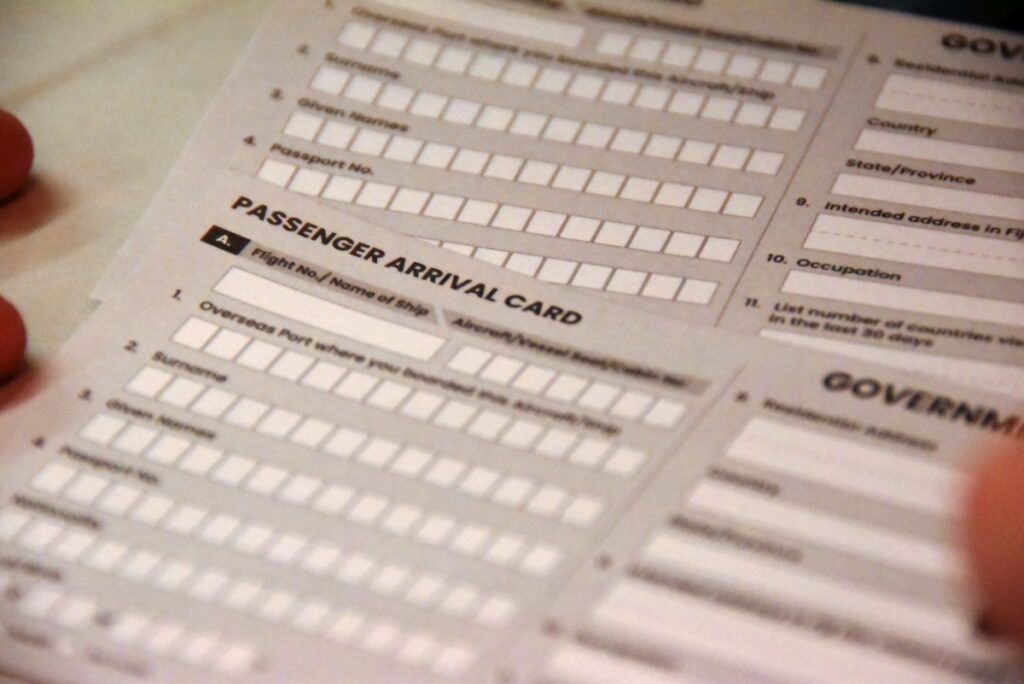
 © FijiPocketGuide.com
Tips for Taking Food to Fiji
Whatever food you decide to take to Fiji, here are some tips we recommend for taking it:
- Declare on your Passenger Arrival Card if you are taking any food to Fiji, even if you think it is allowed.
- Write a list of all of the food you are bringing into Fiji, so you can show it to Customs and Biosecurity officers on arrival – this makes for a much quicker and easier process.
- Pack food in your check-in luggage, not your carry-on, as many foods are not allowed through airport security.
- Make sure all of your food is commercially packaged and clearly states the country of origin. Otherwise, you may need to lodge an import permit.
- For restricted food imports like cheese and meat, make sure you also have the receipt as proof of purchase (see below).
For some general tips for your trip to Fiji, check out the 30 Tips for Travelling in Fiji.
 © FijiPocketGuide.com
What Food Can You Bring to Fiji?
The good news is that arrival passengers can bring a wide variety of food into Fiji, whether it’s tea or a packet of your favourite chips. You can even bring alcohol to Fiji as long as the quantity doesn’t exceed the duty-free allowance.
The conditions for most food imports by air passengers are that they must be commercially packaged and clearly state the country of origin, so this is a good rule to follow when choosing food to take with you to Fiji. Note that you must still declare all food you wish to bring into Fiji, and biosecurity officers may inspect food, even if permitted.
There are some foods, however, that have certain restrictions, such as meat and plant products. Learn more about these restrictions in the sections below.
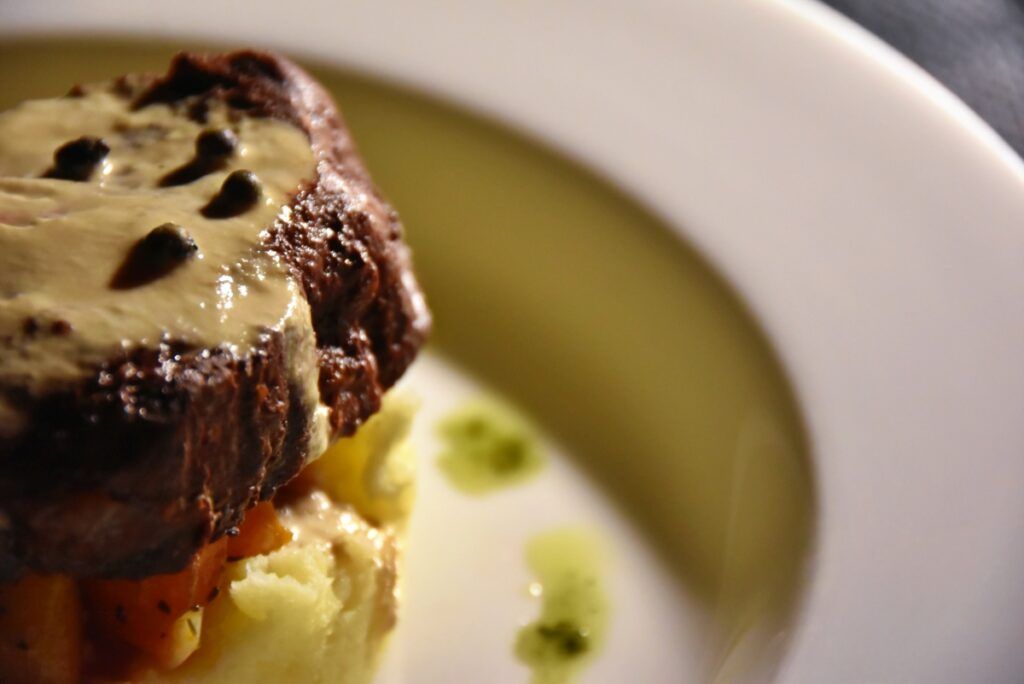 © FijiPocketGuide.com
The Animal Food Products You Can Take to Fiji (with Restrictions)
Arrival passengers can bring certain animal food products to Fiji if they meet certain criteria. As well as being commercially prepared and packaged in unbroken packaging and accompanied by the receipt as proof of purchase from a supermarket, butcher or other retail outlet, most animal food products must be from Australia or New Zealand to go through Biosecurity and may require a permit.
Animal Food Products You Can Bring to Fiji
- Cheese
- Dairy spreads
- Fresh or chilled meat (lamb, beef, mutton)
- Mayonnaise
- Chocolate (acceptable from all countries)
- Canned meat
- Butter
- Animal skins
The Conditions for Bringing Animal Food Products into Fiji
To bring the animal products into Fiji, they must meet the following criteria:
- Be for personal consumption (not to be sold).
- To have purchase receipt(s) from the supermarket, butcher or other retail outlets where they bought the products.
- The total quantity of products brought into Fiji should not exceed 10 kg (22 lbs).
- An import permit may be required, especially for (but not limited to) meat products.
Concerning import permits, the Biosecurity Authority of Fiji (BAF) advises people to contact BAF for more information or clarification. Plus, check out the BAF page on Animal Product Imports for a comprehensive list.
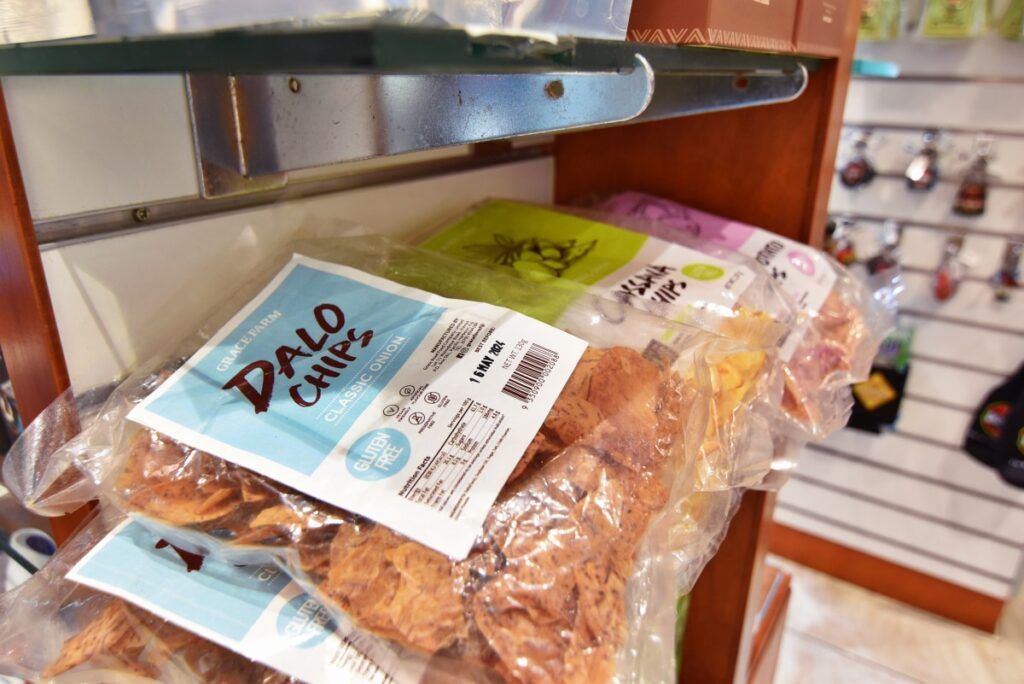 © FijiPocketGuide.com
The Plant-Based Food You Can Take to Fiji
Although most foods have some sort of plant product within their ingredients, there are still a lot of plant-based foods you can bring to Fiji. As a general rule, the more processed the food is, the more likely it will be allowed to pass Biosecurity without an import permit. Again, ensure they are commercially packaged and the country of origin is clearly stated.
Plant-Based Food Products You Can Bring to Fiji
An example list of plant-based foods that you can bring to Fiji includes but is not limited to:
- Canned vegetables
- Canned fruits
- Potato chips
- Cakes (muffins, puddings, and Christmas cakes)
- Biscuits
- Tortilla wraps
- Vegetable shortening and oils
- Noodles with vegetable flavourings
- Baby food with 100% vegetable & fruit ingredients.
- Dried or dehydrated mushroom
- Dried Seaweed
- 100% vegetarian spreads and dips (jams, peanut butter, vegemite, syrup, tomato sauce, vegetable dips, etc.)
- Preserved fruits and vegetables
- Cereals (muesli, oats, porridge, cereal bars, etc.)
- Salt
- Sugar
- Instant coffee, tea, cocoa powder, Milo and non-dairy sweeteners
- Cooked root crops (yams, taro, cassava and breadfruit)
- Dried and grounded herbs and spices
- Roasted, chopped and kibbled, hulled, de-shelled nuts and seeds
- 100% vegetarian meals.
An import permit may be required for some plant-based foods. Concerning import permits, the BAF advises people to contact them for more information or clarification. Plus, check out the BAF page on Plant Product Imports for a comprehensive list.
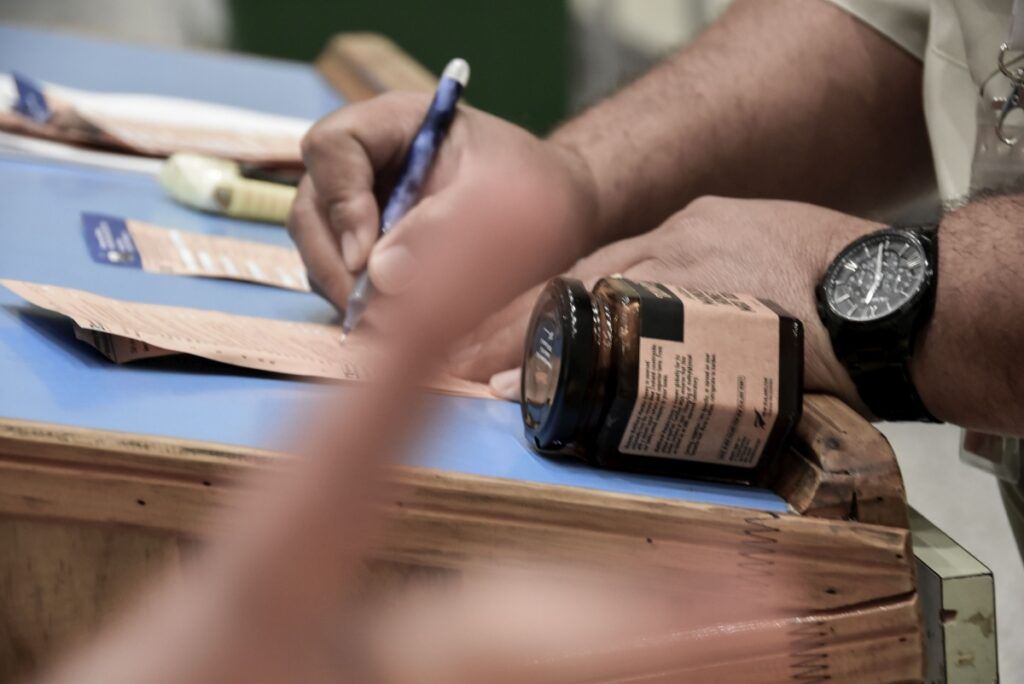 © FijiPocketGuide.com
What Food Can You Not Take to Fiji (Without a Permit)?
By this point, you’re probably wondering what food isn’t allowed in Fiji. The food that you cannot bring into Fiji without an import permit includes but is not limited to:
- Poultry from anywhere other than New Zealand
- Pork
- Ham/bacon
- Salami
- Honey
- KFC packs
- MacDonald’s packs
- Eggs
- Fresh fruit
- Fresh vegetables
Some of the food listed above may be allowed into Fiji with an import permit. Otherwise, you will likely be asked to either lodge an application for import, be asked to abandon the item, be permitted to re-export the item, or the item will be destroyed at your expense. Note that you will not be entitled to re-export the item if you did not declare it.