




1. In Fiji, You Can Time Travel…
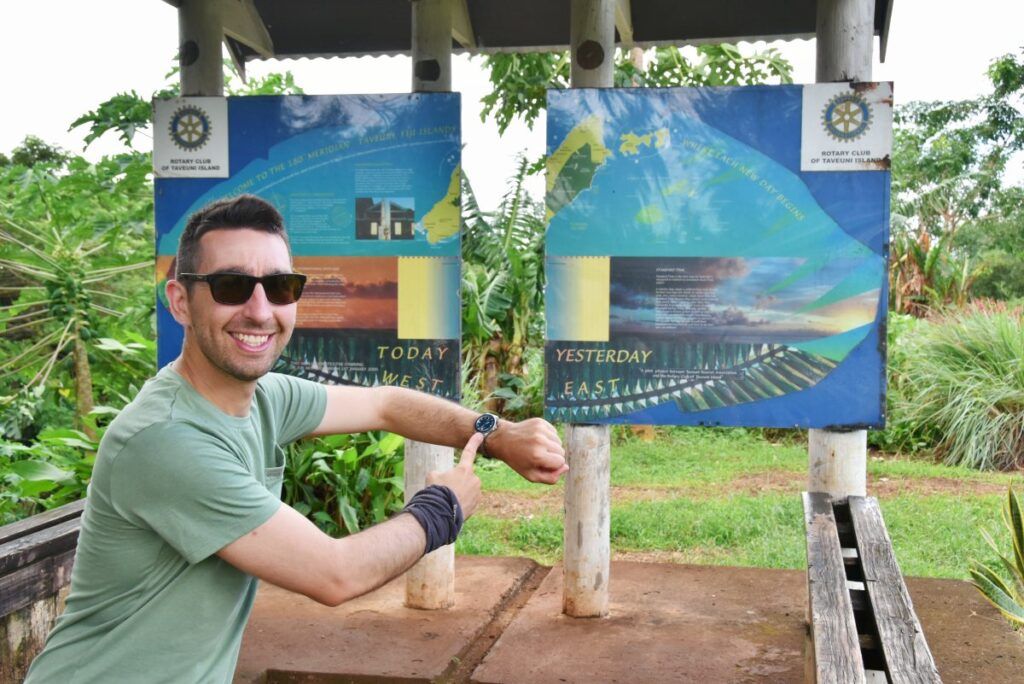
No, we’re not talking about visiting historical places or relaxing so much that time seems to stop… The island of Taveuni just happens to sit right on the International Dateline!
There is even a commemorative information sign and line marked on the floor where you can stand with one foot in today and the other foot in yesterday. But don’t worry, all the islands in Fiji still follow the same time zone…
 © FijiPocketGuide.com
2. Spellings and Pronunciations are a Little Different
Don’t be fooled by the spellings! There are some unpredictable pronunciations in the Fijian language for those new to the whole Fiji thing! For instance, “c” is actually pronounced “th”, so the word for good-bye, “moce” is actually pronounced “moth-eh” and the “Mamanuca Islands” sound more like the “Ma-man-oo-tha Islands”.
The list of spelling and pronunciation quirks goes on, so check out 15 Fijian Words You Need to Know When Visiting Fiji!
 © FijiPocketGuide.com
3. Fiji Spent 96 Years as Part of the British Empire
Fiji was a British colony between 1874 and 1970. Evidence of this colonisation is still evident in Fiji life today, with Christianity playing a fundamental role in the lives of many native Fijians, while the population of Indo-Fijians are the ancestors of indentured labourers from India who were used for the sugarcane trade.
Learn more about Fiji’s history in A Brief History of Fiji.
 © Public Domain
4. Fiji Has a Large Indian Population
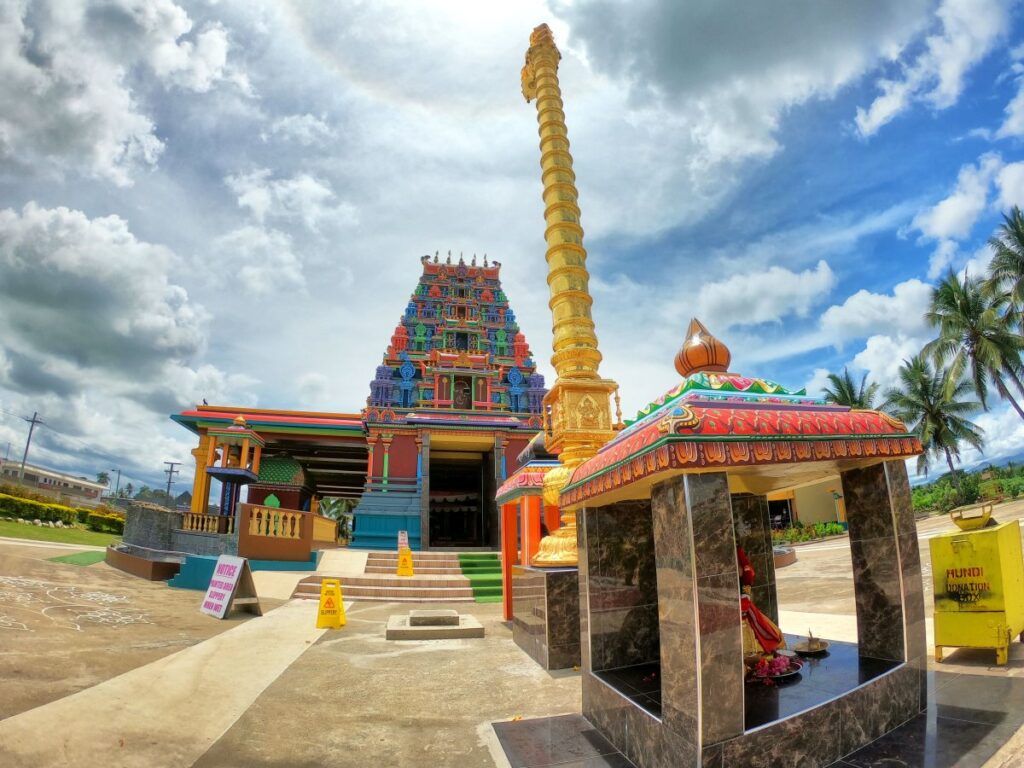
Did you know that Fiji feels like a little slice of India in the South Pacific? It’s true! Around 40% of the population is of Indian descent, now known as Indo-Fijians or simply, Fijians. You’ll be amazed by the vibrant mix of cultures as you explore the islands.
As you wander through major towns and cities, you’ll spot colourful Hindu temples and elegant mosques dotting the landscape. At local markets, you’ll find mithai (Indian sweets) stalls standing right beside taro vendors, creating a unique fusion of South Asian and Pacific flavours.
So, don’t be surprised if you catch the aroma of curry wafting through the tropical air – it’s all part of Fiji’s wonderful diversity!
Learn more about the ethnicities of Fiji in our Who Are the People of Fiji? Ethnicity, Population & More.
 © FijiPocketGuide.com
© FijiPocketGuide.com
5. “Bula” is the Most-Used Word in Fiji!
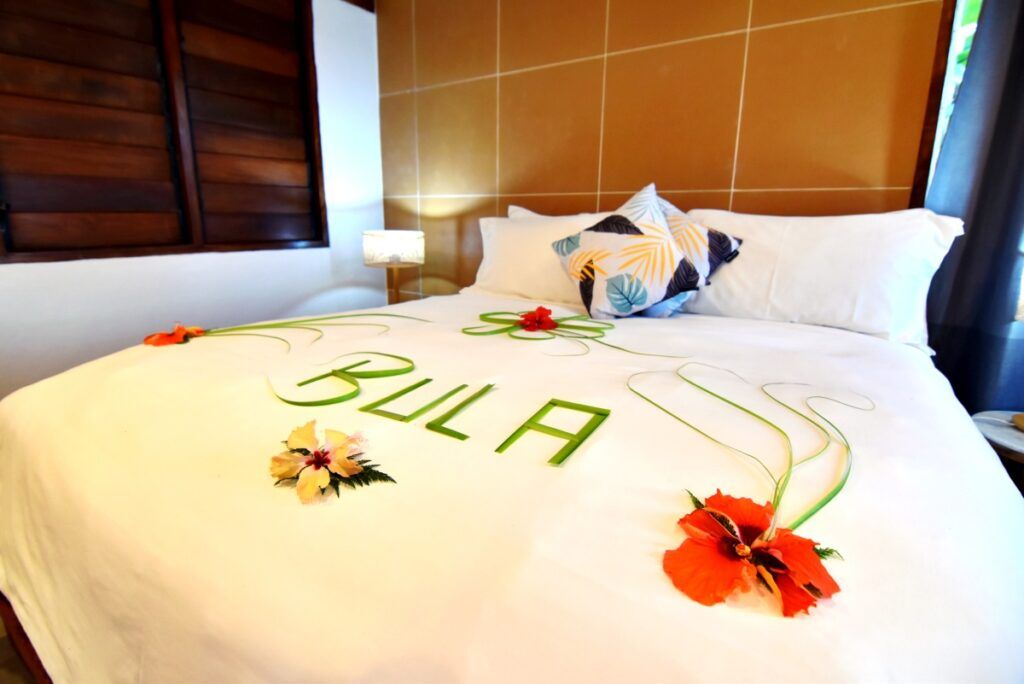
You will hear it hundreds of times during a trip to Fiji! To be fair, “Bula” means just about everything from “hello” to “cheers” to “life” to “good”.
 © FijiPocketGuide.com
6. Out of Fiji’s 333 Islands, Only 110 are Inhabited
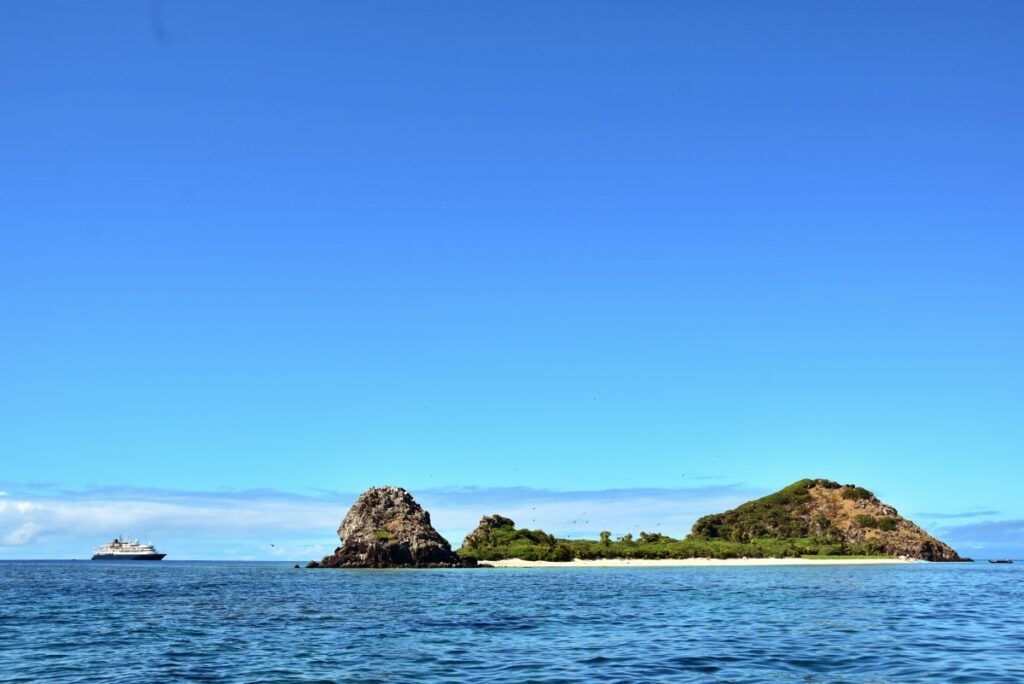
Fiji consists of 333 islands and 500 smaller islets, but only about 110 of those islands are inhabited by humans! Learn more about the fascinating geography of the islands in A Guide to the Fiji Regions & Island Groups.
 © FijiPocketGuide.com
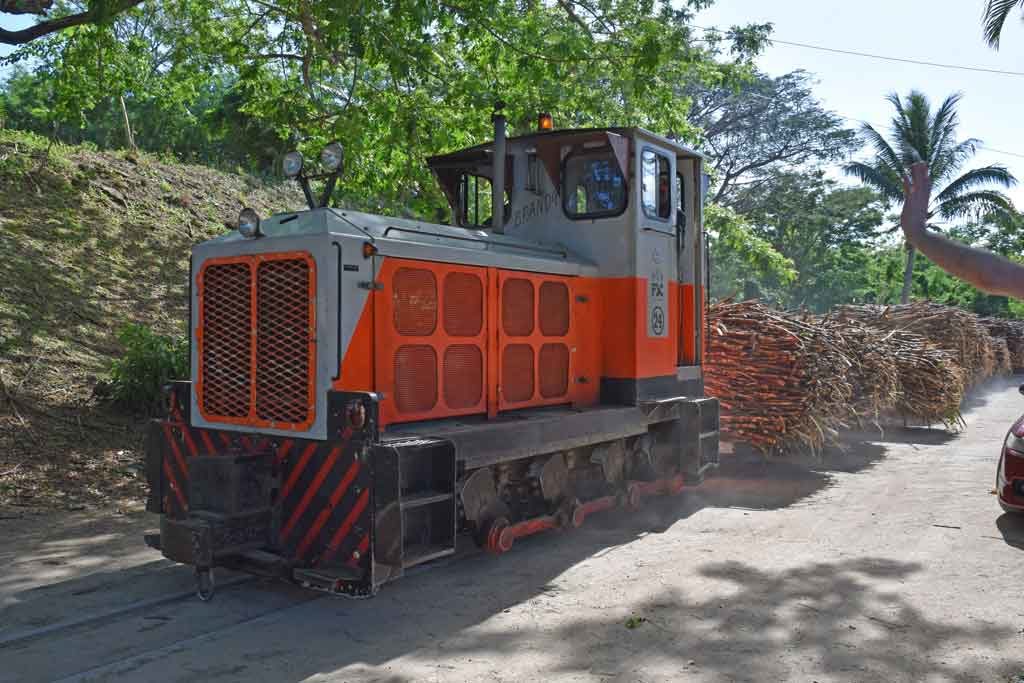
7. After Tourism, the Second Largest Industry is the Sugarcane Industry
Fiji, especially the main island of Viti Levu, is packed with sugarcane fields. During the sugarcane season, October–December, small trains loaded with sugarcane can be seen chugging throughout the island.
 © FijiPocketGuide.com
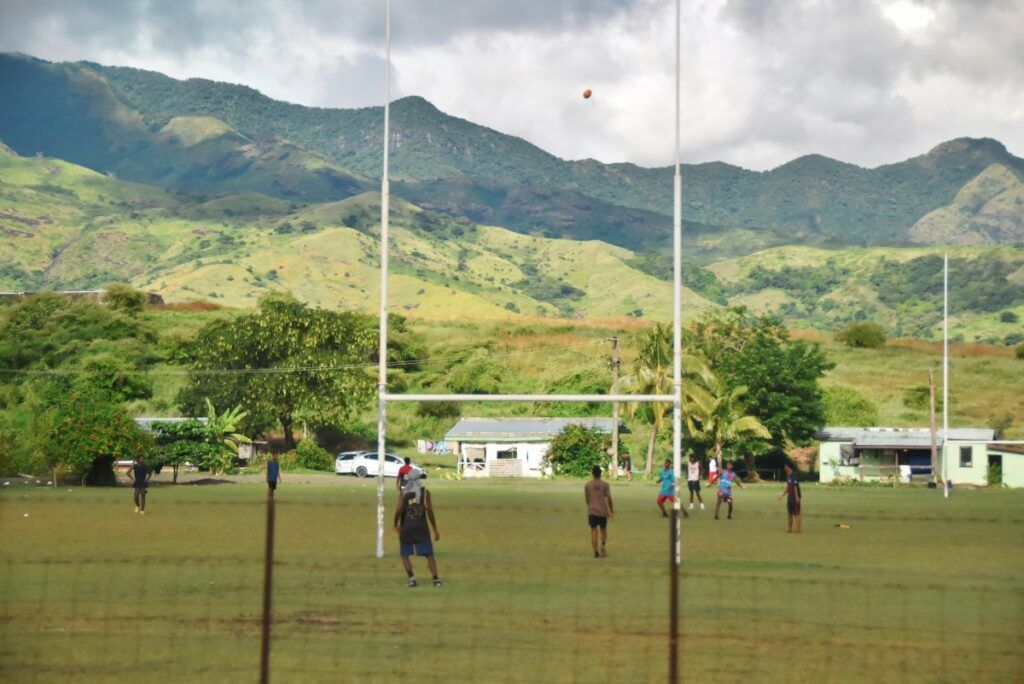
8. The Most Popular Sport in Fiji is Rugby
But not just any old rugby – rugby union, to be precise! While Fiji’s national rugby team has competed in the Rugby World Cup multiple times, Fiji’s greatest success is winning the Rugby World Cup Sevens three times!
 © FijiPocketGuide.com
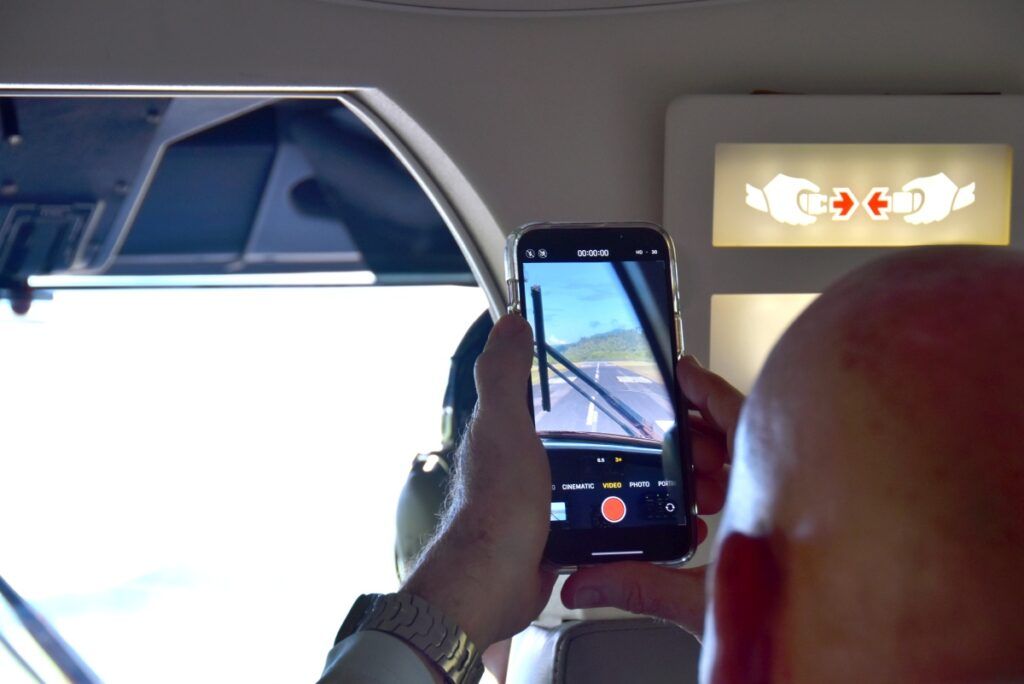
9. Only Six of Fiji’s Airports Have Paved Runways
Out of the 30+ official airports in Fiji, only four have paved runways. Zoiks! Check out the What Are the Airports in Fiji? for more information.
 © FijiPocketGuide.com
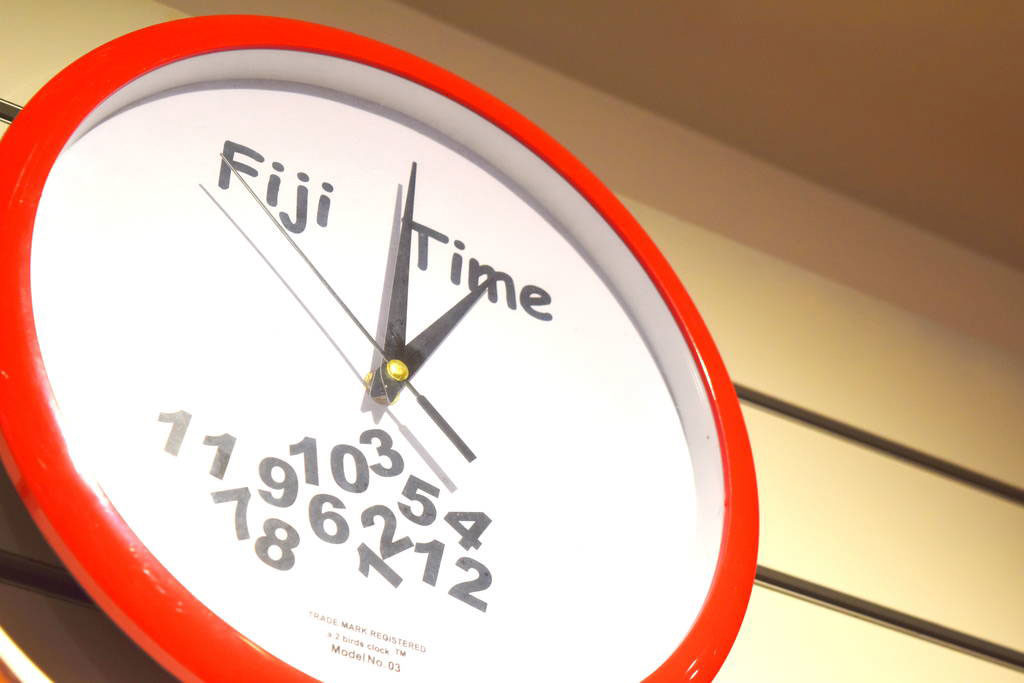
10. “Fiji Time” is a Religion… Kinda
Well, not technically, but you’ll be surprised by how much Fijians seriously live their lives on “Fiji Time” like it’s a religion. Fiji time is a way of life where conventional time has no meaning. Things will happen or get done eventually (or not at all) – that’s why so many people come to Fiji to simply relax.
Still confused? Take a look at What Does Fiji Time Mean? (& What You Need to Know About It).
 © FijiPocketGuide.com
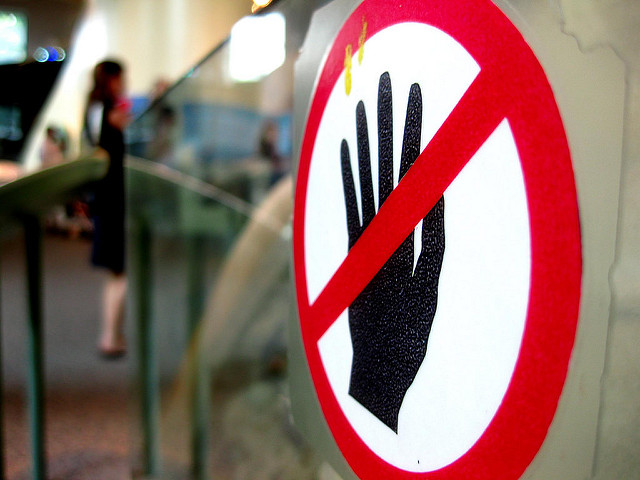
11. To Declare War, Just Touch Someone’s Head
It is best to avoid touching any Fijian’s head as, traditionally, this was a declaration of war and it is still not well regarded nowadays. Handshakes and hugs, on the other hand, are most welcome!
 © Scott Akerman on Flickr
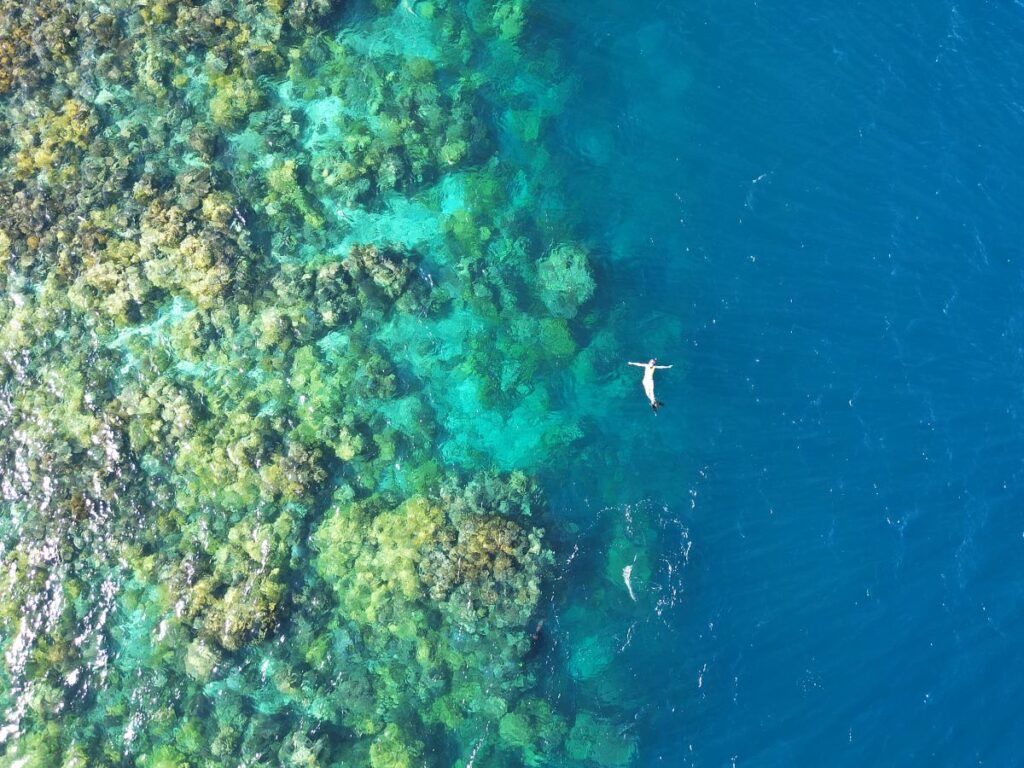
12. Fiji Has Over 6,400 km² of Coral Reef
… That’s 2,000 mi²! No wonder they call Fiji the “Soft Coral Capital of the World”. Needless to say, snorkelling and scuba diving are a must here, so jump over to the 10 Best Places to Scuba Dive in Fiji and 20 Places to Snorkel.
 © FijiPocketGuide.com
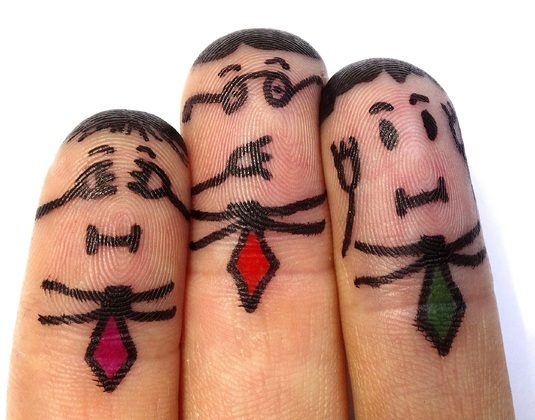
13. “Fiji” is a Mishearing of a Mispronunciation
Fijians originally called their home “Viti”. Legend has it, however, that when British explorer Captain Cook asked Tongan invaders in Fiji what the islands were called, their accent made it sound like “Viti” was “Fee-gee” to an Englishman. Eventually, the islands became known as “Fiji” to Europeans.
 © Pxhere
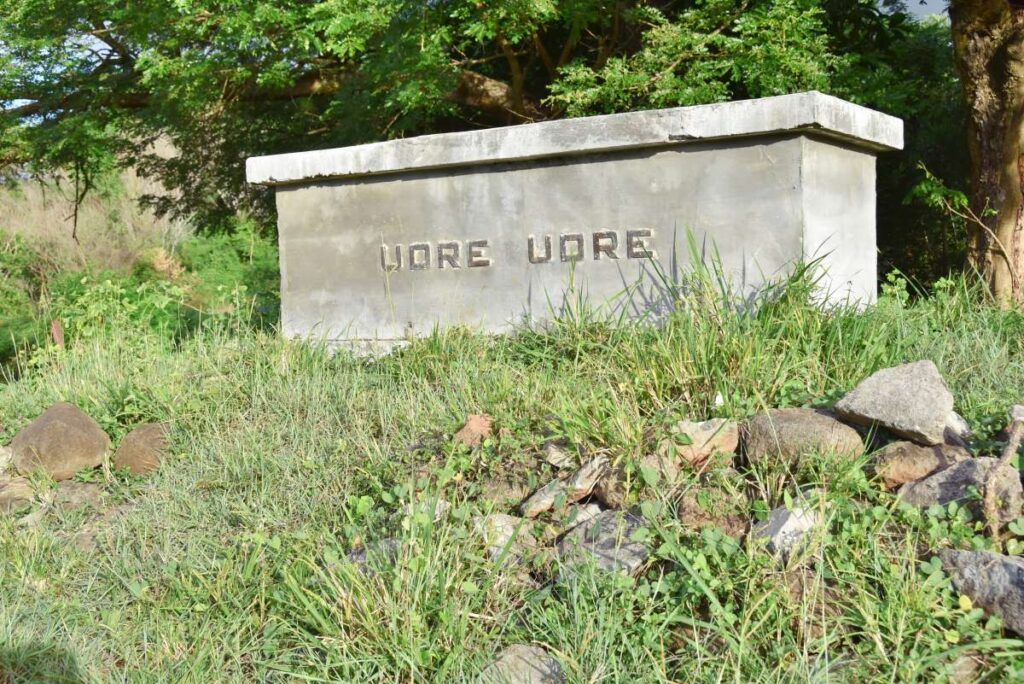
14. Cannibalism is a Part of Fijian History
Cannibalism was once an integral part of Fijian culture, believed to have begun over 2,500 years ago. This practice wasn’t due to food scarcity but was deeply rooted in religion, warfare, and social hierarchy. In fact, Fiji was known as the “Cannibal Islands” during this period.
The practice continued well into the 19th century until Christian missionaries deemed it “ungodly”. Today, you can explore this fascinating (albeit gruesome) history across Fiji.
Explore the caves of Naihehe with Coastal Inland Tour, or on the Off-Road Cave Safari or the Tomb of Udre Udre, a chief whose victims are represented by stones around his tomb (there are about 80 – yikes!).
 © FijiPocketGuide.com
15. Islands Owned by the Rich and Famous
Fancy owning your own slice of paradise? Well, some celebrities have done just that in Fiji! Mel Gibson splashed out approximately FJ$33 million (US$15 million) in 2005 to become the proud owner of Mago Island.
This sprawling 2,185-hectare (5,400-acre) island is one of the largest private islands in the South Pacific. Not to be outdone, Dietrich Mateschitz, the co-founder of Red Bull, decided to give himself wings by purchasing Laucala Island.
He transformed this FJ$22 million (US$10 million) investment into a luxurious resort with private villas, a golf course, and amenities that’ll make you feel like royalty (or at least a very caffeinated business tycoon). Last but certainly not least, James Jannard, the founder of Oakley, Inc. and Red Digital Cinema Camera Company, couldn’t resist the allure of Vatuvara Island.
In late 2009, he snapped up both Kaibu Island and neighbouring Vatuvara Island. In a twist that might make you chuckle, Jannard developed a luxury resort on Kaibu Island but named it Vatuvara Resort. Talk about island identity crisis!
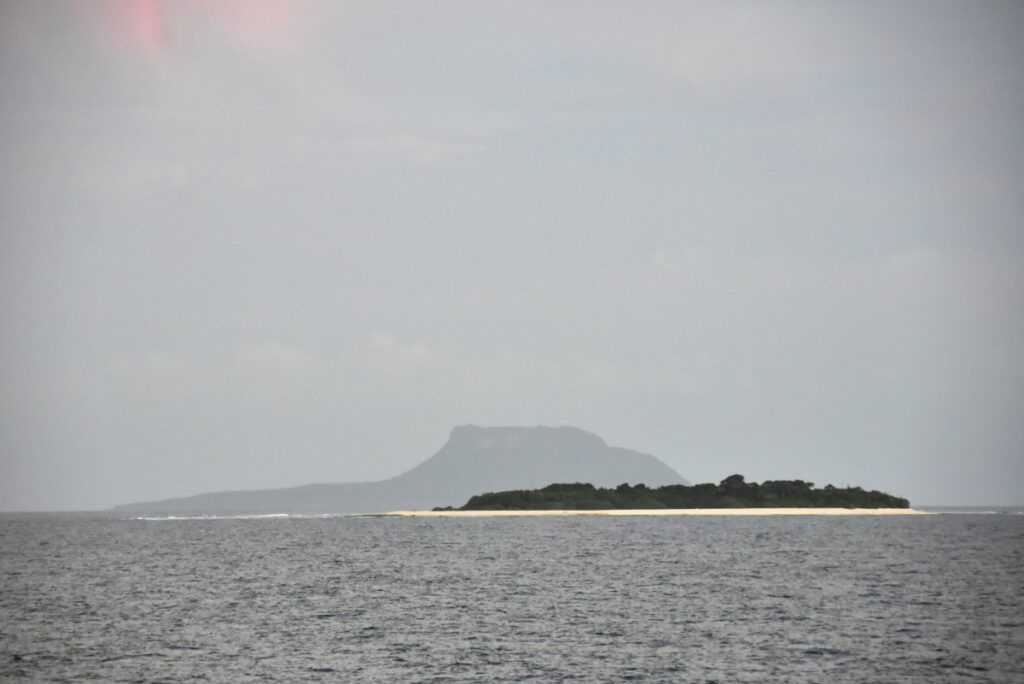 © FijiPocketGuide.com
15. Fijians Love Their Kava
If you’re visiting Fiji, you’ll likely encounter kava, a traditional beverage that’s deeply ingrained in Fijian culture. This mildly intoxicating drink, made from the root of the kava plant, plays a central role in many social gatherings and ceremonies.
Kava consumption can lead to some interesting effects. You might experience a sense of relaxation and mild euphoria, along with a slight numbness in your mouth (don’t worry, it’s temporary!). In higher doses, it can cause muscle weakness and even slurred speech – so sip responsibly!
But kava is much more than just a social lubricant. It’s a symbol of respect and hospitality in Fijian culture. Participating in a kava ceremony is a great way to connect with locals and experience authentic Fijian traditions. You’ll often find it being shared during welcome ceremonies, conflict resolutions, and important gatherings.
Kava also holds significant economic importance for Fiji, particularly in rural areas where it’s cultivated. So, when you’re enjoying a bowl of kava, you’re not just partaking in a cultural experience – you’re also supporting local communities. Cheers to that!
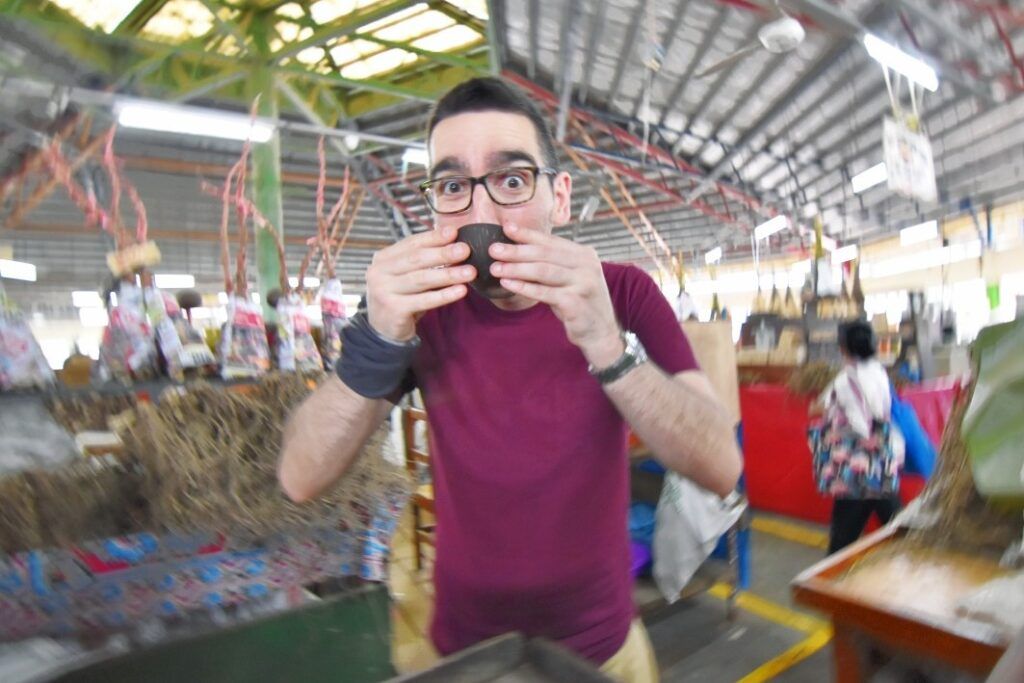 © FijiPocketGuide.com
16. Raising Eyebrows: A Unique Way to Say “Yes” in Fiji
In Fiji, you’ll quickly discover that communication goes beyond words. One of the most fascinating aspects of Fijian culture is their unique way of saying “yes” – by simply raising their eyebrows! This non-verbal cue can catch many visitors off guard, as in Western cultures, raised eyebrows often indicate surprise or questioning.
But there’s more to Fijian non-verbal communication than just eyebrow gymnastics. When chatting with locals, you’ll notice they maintain direct eye contact, speak in soft, calm voices, and consider interruptions quite rude. It’s all part of the warm and respectful Fijian etiquette that makes interactions so pleasant.
To avoid any awkward misunderstandings (and prevent your eyebrows from getting a workout!), we recommend familiarising yourself with these customs before your trip.
For a deeper understanding into Fijian cultural nuances, check out our guides on Fijian & Indo-Fijian Etiquette: Fiji Village Customs & Traditions and What are the Languages in Fiji? A Guide to Fijian, Fiji-Hindi & More. You’ll be communicating like a local in no time!
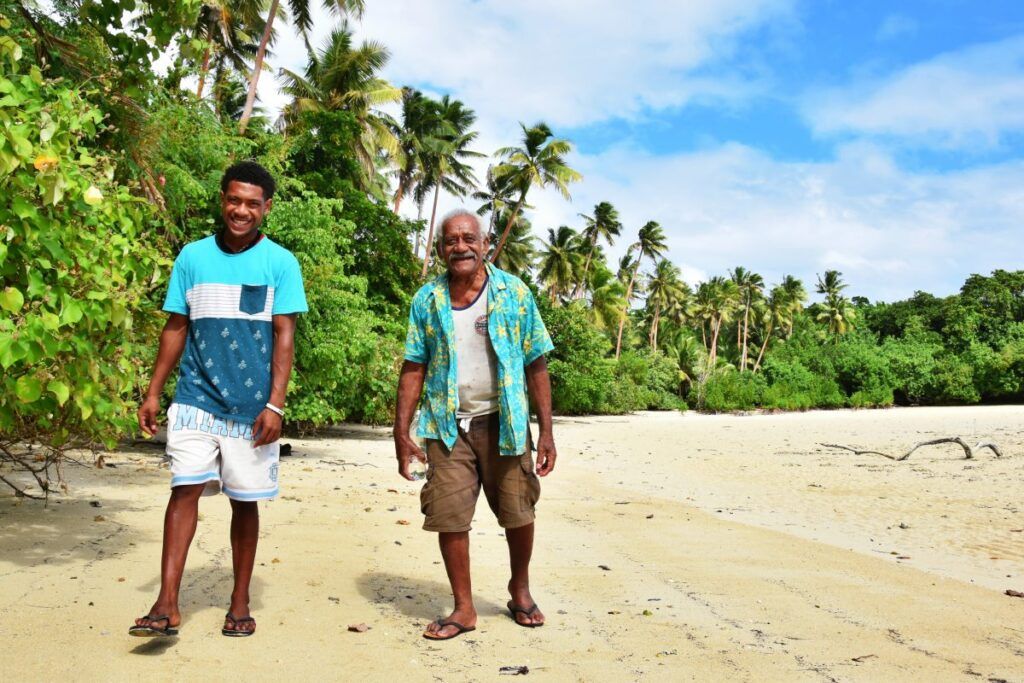 © FijiPocketGuide.com
17. The Lau Islands Have a Unique Fijian-Tongan Culture
If you’re looking for a truly unique cultural experience in Fiji, you’ll love exploring the Lau Islands. This fascinating archipelago showcases a blend of Fijian and Tongan influences, creating a hybrid culture that’s unlike anywhere else in the country.
The story behind this cultural mix is pretty intriguing. Back in the 19th century, a Tongan chief named Ma’afu (quite the ambitious fellow!) decided to extend his empire’s reach into Fiji. He set his sights on the Lau Islands and managed to gain control over parts of the archipelago.
Today, you can see the lasting impact of this Tongan influence in various aspects of Lau Island life. From the local language to traditional customs and crafts, there’s a beautiful fusion of Fijian and Tongan elements.
Grab the chance to admire the intricate tapa cloth making or the impressive boat-building techniques – they’re a testament to this unique cultural blend. While the British annexation of Fiji in 1874 put an end to Tonga’s formal political influence, the cultural legacy lives on.
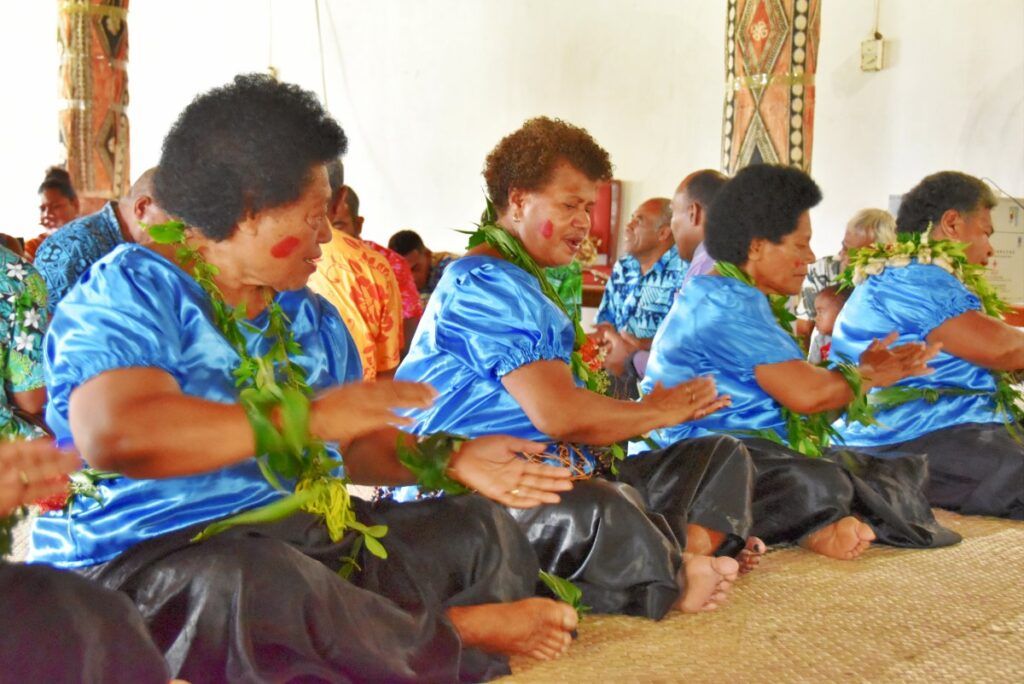 © FijiPocketGuide.com
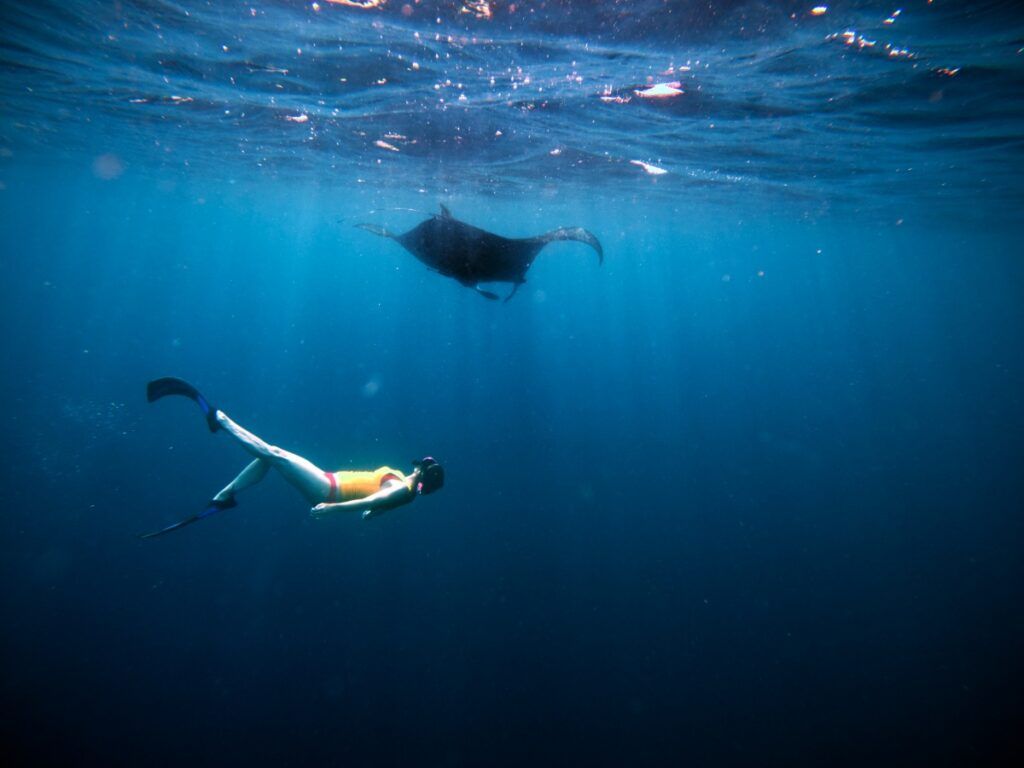
18. Manta Rays in Fiji Have a Wingspan of Up to 9 m (30 ft)!
Manta rays, known for their graceful movements and impressive size, are a true marvel to behold. In Fiji, you’ll find two species: the Giant Oceanic Manta Ray and the more common Reef Manta Ray.
These magnificent creatures can reach wingspans of over 6 m (20 ft), with some giant mantas stretching up to a whopping 9 m (30 ft)!
Want to witness these underwater acrobats in action? Head to the Manta Ray Passage, a channel between Drawaqa and Naviti Islands in the Yasawas. From May to October, this spot becomes a manta ray hotspot as plankton-rich waters funnel through during high tides.
It’s a spectacle you won’t want to miss! (Trust us, you’ll be telling everyone back home about your close encounter with these gentle giants.)
For more tips on how to make the most of this unforgettable experience, check out The Guide to Swimming with Manta Rays in Fiji. Get ready for an adventure that’ll have you falling in love with Fiji’s marine life!
 © FijiPocketGuide.com
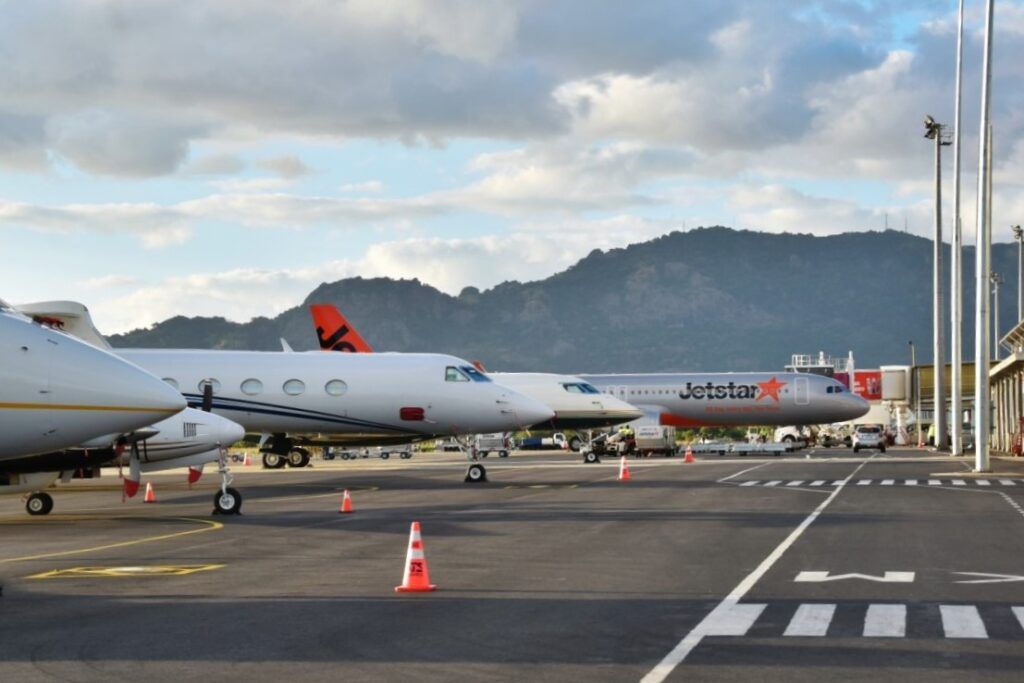
19. 97% of International Passengers Pass Through Nadi International Airport
Despite Fiji boasting two international airports, the vast majority of visitors touch down at Nadi International Airport on the western side of Viti Levu. This bustling hub handles a whopping 97% of international traffic, making it the gateway to paradise for most travellers.
With around 40 international departures daily, it’s the heart of South Pacific air travel and the main base for Fiji Airways.
Nadi Airport has a fascinating history, originally established during World War II as a crucial U.S. Army Air Forces base. Today, it welcomes visitors with a cheerful “Bula!” – Fiji’s warm traditional greeting – often accompanied by local music that instantly immerses you in the island’s hospitality.
For everything you need to know about navigating this vital travel hub, check out The Complete Guide to Nadi Airport. Trust us, it’s a lifesaver for first-time visitors!
 © FijiPocketGuide.com
20. Jeff Probst Loves Fiji [Update: And He Still Does]
Jeff Probst, the charismatic host of the hugely popular TV show Survivor, has fallen head over heels for Fiji! These beautiful islands have become the most-used location in the show’s history, and Jeff is on record saying he’d be thrilled to shoot in Fiji for the rest of the show’s run. (And guess what? After 45+ seasons, he’s still doing just that!)
But it’s not just Survivor that’s been captivated by Fiji’s charm. The islands have played host to a range of Hollywood productions, including the Tom Hanks classic “Cast Away” and the steamy reality show “Love Island”.
If you’re curious about other films and TV shows that have graced Fiji’s shores, we’ve got you covered!
Check out our guide to movies filmed in Fiji and TV shows filmed in Fiji for a comprehensive list that’ll make you want to grab some popcorn and binge-watch these tropical delights.
 © CBS
© CBS
![The Complete Travel Guide to Fiji on a Budget 🤑 [2025]](https://fijipocketguide.com/wp-content/uploads/2022/01/Kioa-Snorkel-Aerial-3-CREDIT-Fiji-Pocket-Guide--900x675.jpg)

![The BEST Travel Guide to Fiji: How to Plan a Trip to Fiji 🌴 [2025]](https://fijipocketguide.com/wp-content/uploads/2022/01/Kioa-Landscape-Reef-Vanua-Pano-CREDIT-Fiji-Pocket-Guide--900x366.jpg)