

 © FijiPocketGuide.com
Health Tips for Fiji
Fiji presents a few environmental hazards to be aware of, but very few diseases.
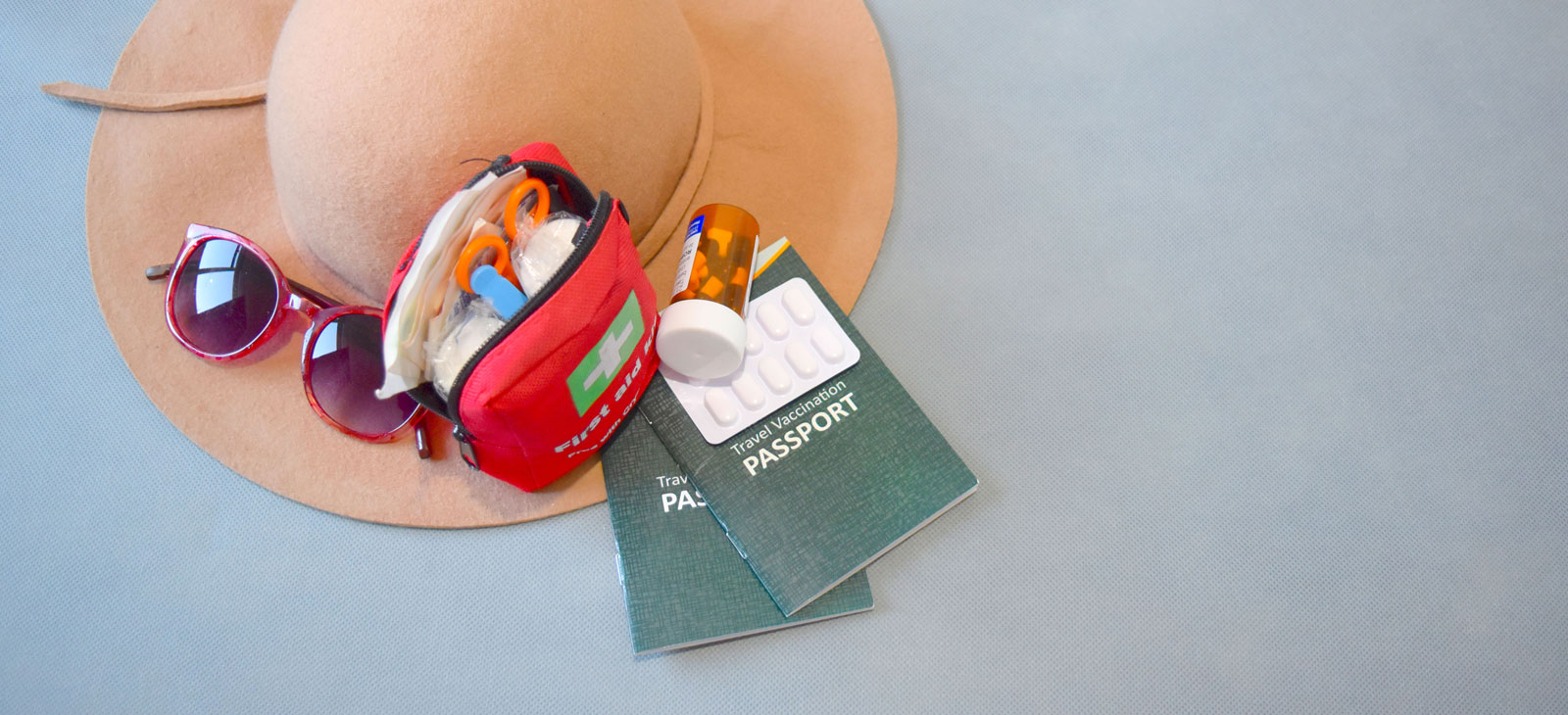
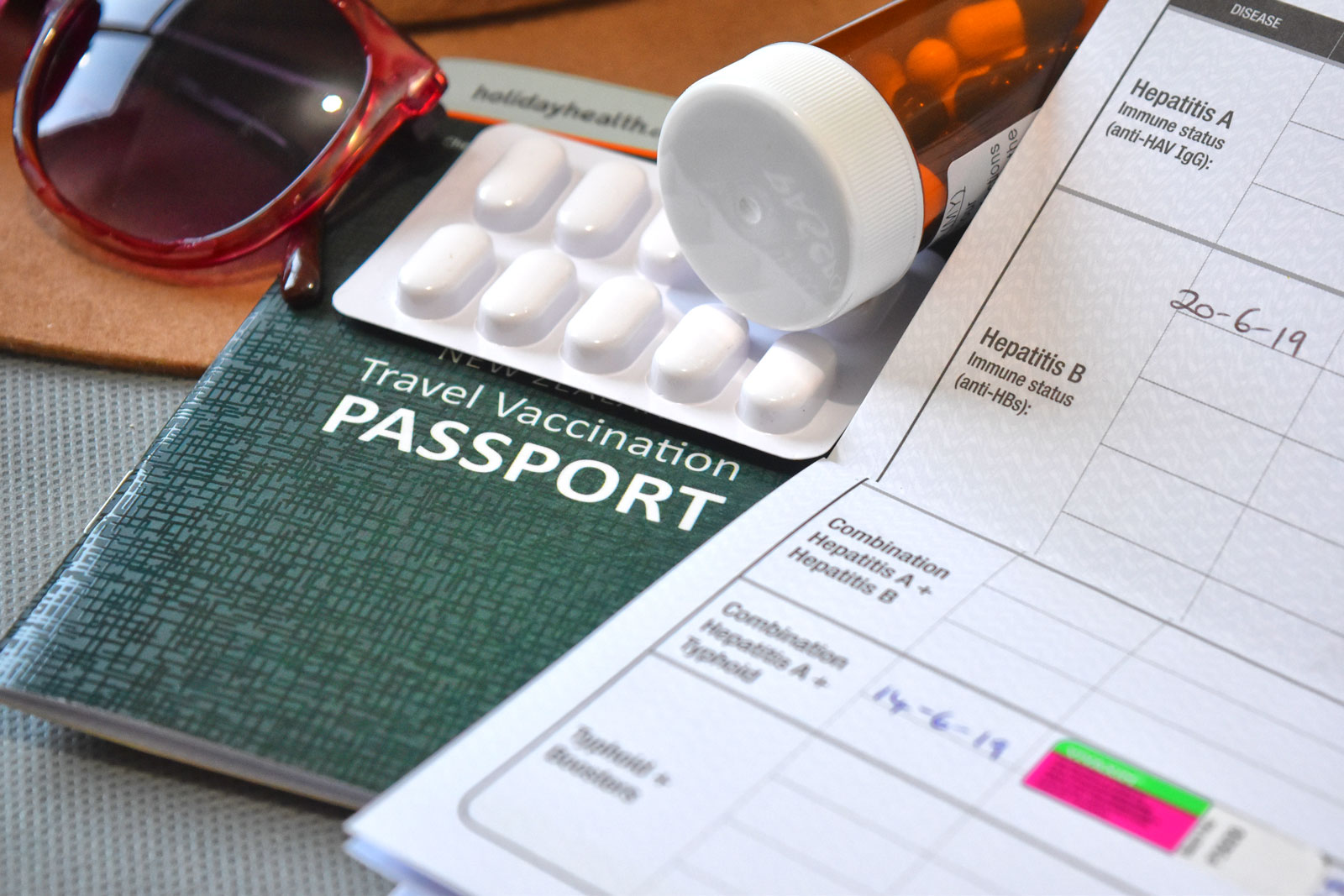
Like travelling anywhere in the world, it’s smart to have your travel vaccinations up-to-date and to prepare a first aid kit for injuries or minor health issues that might occur.
See our What Medication to Pack in Your First Aid Kit for Fiji for advice on what to pack and Do You Need Vaccines to Travel to Fiji?
Medical Issues That Can Occur in Fiji
The most common medical issues that can occur in Fiji are sunburn, heatstroke, mosquito bites and coral cuts. These are very easy to keep in check with simple precautions.
Other medical issues may occur when staying in remote villages or concerning food, which we cover in our “Food and Water Hygiene” section and in our 10 Health Tips for Fiji.
Otherwise, here are some main factors to be aware of.
Heat Stroke
Overexposure to the sun and high humidity can lead to heatstroke.
Symptoms include exhaustion, confusion, headache and vomiting.
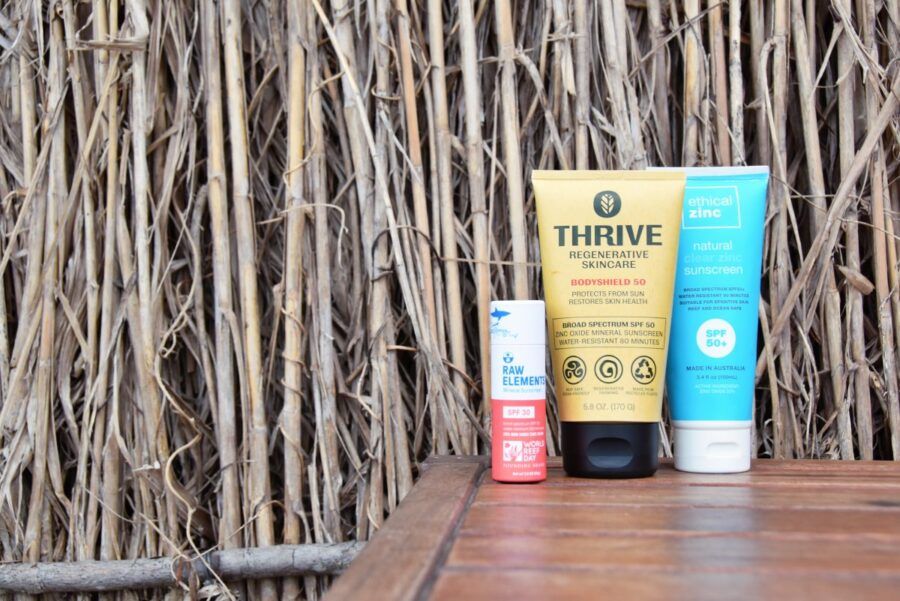
To avoid, wear high-factor sunscreen, reapply every three hours or straight after swimming, and drink plenty of water.
If symptoms occur, move out of the sun immediately and try to cool the victim down by wrapping a wet towel around them. See a doctor as soon as possible.
For more sun protection tips, check out The Best Sunscreens for Fiji + Sun Protection Tips.
Mosquito Bites
Mosquitos can leave a nasty itchy bite, which is enough to ruin an evening under the stars.
While there are not many mosquito-transmitted diseases in Fiji, there have been cases of dengue fever in the past (see below).
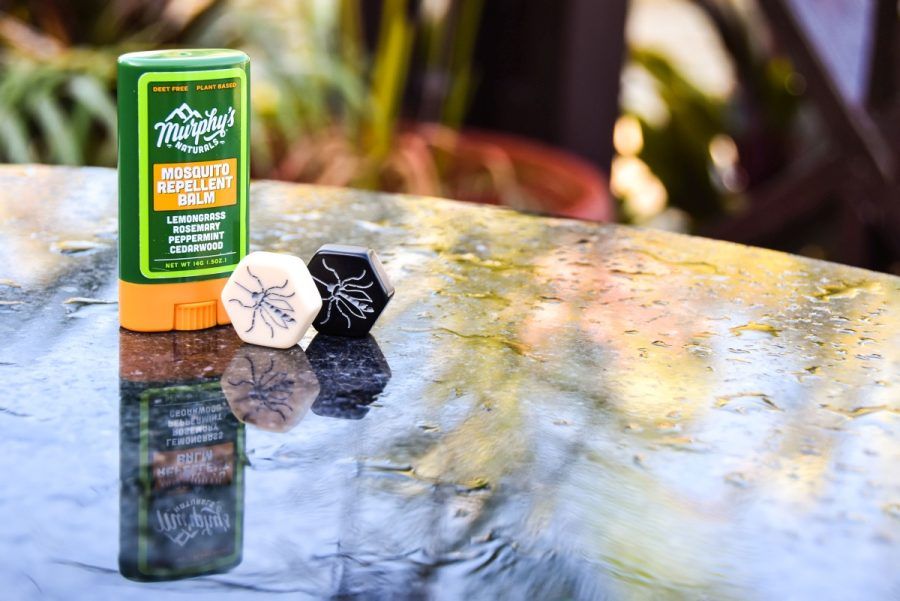
Check out 10 Ways to Avoid Mosquito Bites in Fiji for ways to avoid bites.
Ciguatera
Ciguatera is fish poisoning caused by eating reef fish that have eaten particular types of toxic algae.
Symptoms occur within 24 hours of eating contaminated reef fish and include vomiting, diarrhoea and numbness in the fingers.
The best way to prevent it is to avoid eating reef fish altogether; eating deep-sea fish, like tuna, wahoo and mahimahi, is fine.
Coral Cuts
Cuts from live coral can cause prolonged infections, so if you are injured by live coral, get out of the water immediately and cleanse the wound.
Take out all of the bits of coral, apply antiseptic cream, and cover with a dressing. You should have all this stuff in your Fiji First Aid Kit!
Diving Decompression
Scuba diving is a popular activity in Fiji, but neglecting the strict depth and timing precautions of scuba diving can result in decompression illness, otherwise known as “the bends”.
There is a hyperbaric chamber opposite the airport in Nadi at Pacific Specialist Healthcare and one at Suva’s Colonial War Memorial Hospital.
Infectious Diseases
Dengue Fever
Dengue fever is a mosquito-transmitted disease that has had a few outbreaks in Fiji in recent years.
It is only the day-biting mosquitos (black and white striped) that cause the infection, so take a precaution by preventing mosquito bites.
See the 10 Ways to Avoid Mosquito Bites in Fiji for tips.
Chikungunya
Like dengue fever, chikungunya is another mosquito-transmitted disease that is also spread by day-biting mosquitos.
Although there has not been an outbreak in Fiji for a few years, there may still be a risk.
There is no vaccination or specific treatment for the disease, so again, sensible mosquito avoidance is recommended.
E.coli (Traveller’s Diarrhoea)
E.coli is a virus resulting from food and water that is contaminated with faecal matter, for instance.
Precautions to take include boiling water for at least 10 minutes if the water is not from a safe source and washing hands regularly. See Is the Water Safe to Drink in Fiji? for more tips.
Symptoms include fever, drowsiness and diarrhoea.
If symptoms occur, hydrate by taking small sips of fluids continuously, alternating between electrolytes and water. If you don’t have an electrolyte solution, drink Coca-Cola or salty broth.
In most cases, you will need to wait out the symptoms, as antibiotics rarely treat E-coli effectively.
COVID-19
The COVID-19 virus has been present in Fiji.
Symptoms are flu-like including fever, cough, tiredness and loss of taste or smell.
It is recommended that you are fully vaccinated before travelling to Fiji. See Do You Need Vaccines to Travel to Fiji? for more details.
Typhoid Fever, Meningitis, Measles and Hepatitis A
While rare, typhoid fever, meningitis, measles and hepatitis A outbreaks have occurred during the wet season (November to April) and in small communities.
It is recommended by the World Health Organisation (WHO) to be up-to-date with routine vaccinations and to get travel vaccinations, such as diphtheria, tetanus, measles, mumps, rubella and polio, regardless of where you are travelling to.
Find out more in Do You Need Vaccines to Travel to Fiji?
 © FijiPocketGuide.com
Natural Disasters in Fiji
Although Fiji is usually blessed with buckets of sunshine, its location in the South Pacific means that there is a risk of extreme weather events and natural disasters.
Cyclones
The South Pacific cyclone season runs from November to April. On average, around two cyclones affect Fiji every season.
Fiji is well prepared for cyclones, however, so check out Cyclones in Fiji: A Guide to Cyclone Safety for advice on safety precautions.
Tsunamis
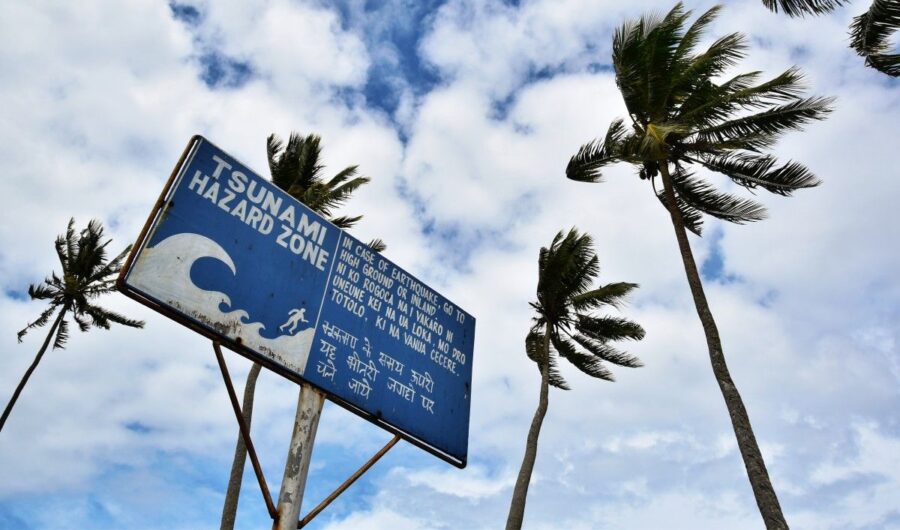
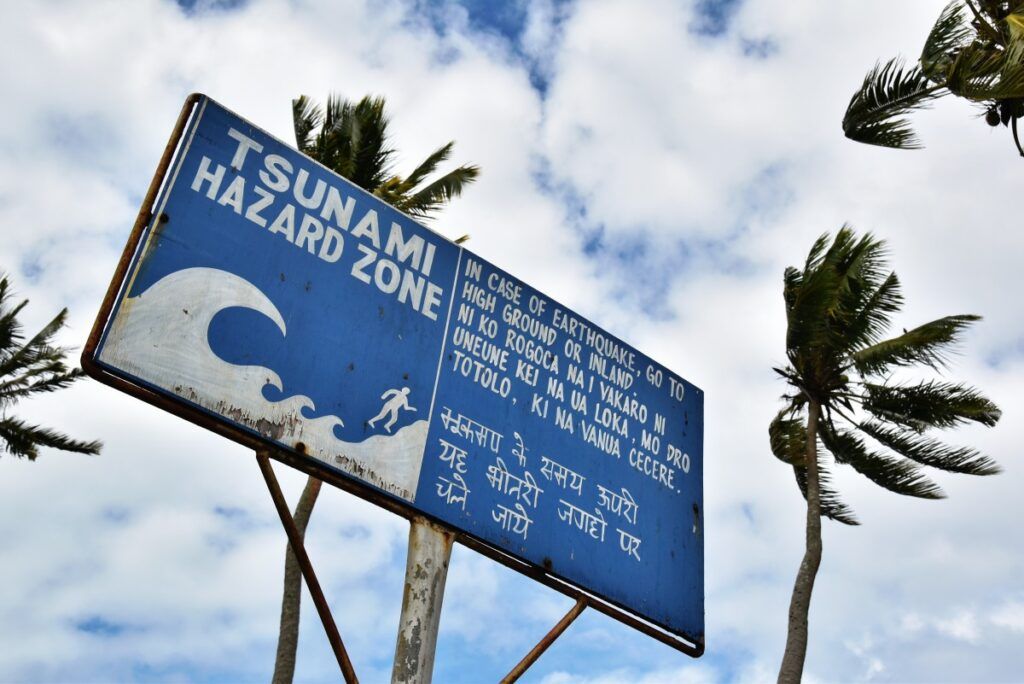
Situated near the Pacific Rim of Fire, Fiji is prone to seismic activity which, in turn, has been known to cause rare tsunamis.
Regardless, anyone visiting Fiji should know how to identify the signs of a tsunami and know what to do in the case of one before visiting; The Guide to Earthquakes & Tsunamis in Fiji will give you some pointers.
 © FijiPocketGuide.com
Dangerous Animals in Fiji
Fiji doesn’t have any poisonous spiders or poisonous land snakes (one of the 25 Fun Facts About Fiji) but there are venomous fish, as well as other animals that you’re best to avoid. These include:
- Aedes aegypti – The day-biting mosquito that can transmit dengue fever
- Crown-of-thorns starfish – Has venomous spikes
- Stonefish – Rare but camouflaged fish that have venomous spines
- Fire coral – Has bright yellow branches and leaves a nasty sting or rash
- Lionfish – Fish that leaves a painful sting
- Scorpionfish – Like lionfish, they leave a painful sting through their dorsal spines
- Man o war jellyfish – Rarely seen, but they can get carried over reefs after storms
- Moray eels – Have sharp teeth and poor eyesight, so will bite if they feel threatened
- Cone shells – Can deliver a venomous sting that can cause numbness, muscular paralysis or worse
- Sharks – Tropical shark attacks are extremely rare, but it’s never a good idea to provoke them
- Sea urchins – Their spikes are venomous and can easily puncture wetsuits
- Stingrays – While not aggressive, they have sharp and venomous stingers in the tail; be aware of standing them
- Blue-ringed octopus – Incredibly rare but incredibly poisonous
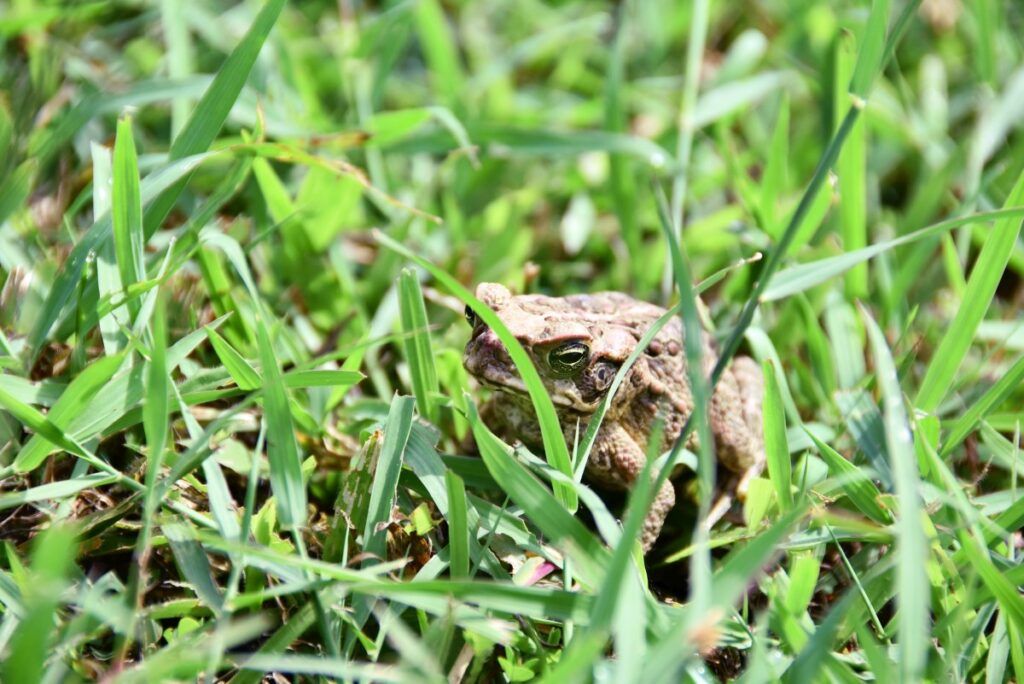
- Cane toads – Prolific on land; they can excrete toxins that cause skin inflammation.
For more information about the sort of animals you’ll see in Fiji, check out Wildlife in Fiji: Animals in Fiji & Where to See Them.
 © FijiPocketGuide.com
Food and Water Hygiene
Food and water in Fiji are generally safe and readily available, but you shouldn’t drink from any old tap.
Basic travel-health rules are worth keeping in mind.
We go over a few food and water hygiene tips for Fiji here.
Know What Water is Safe to Drink
The water is treated only in some parts of Fiji.
In short, water is treated for drinking in towns and cities but not outside these areas, such as villages, rural areas or outer islands.
Resorts normally let guests know where to get safe drinking water at their facility. Many have their own filtration system or bottled water available to purchase but always be sure to ask where to get safe drinking water (as it’s not always from your bathroom tap).
Otherwise, bottled water is readily available to buy throughout Fiji.
To avoid water-borne diseases, such as traveller’s diarrhoea, and reduce the negative impact bottled water has on the environment, take precautions like boiling water for about 10 minutes before drinking it. Water purifying tablets and Lifestraw bottles are also effective, but boiling water is the safest option.
See Is the Water Safe to Drink in Fiji? for much more of a deep dive into the subject.
Focus on Hygiene, Especially When Staying in Villages
Staying overnight in a village can be an enriching cultural experience, but you will need to accept a small portion of risk with conditions being so remote and different from home.
First, focus on hygiene by washing your hands regularly or using a hand sanitiser, especially before eating food.
In the unlikely case that you do start feeling ill while staying in a village, act quickly by seeking medical attention, even if it means returning to a city. If you let the situation worsen, it may be very strenuous to wait to see a doctor.
For more tips for staying in a village, check out How to Choose the Best Homestay in Fiji + 5 Essential Tips.
Be Aware of Food Safety
Eating in restaurants or at tourist accommodations is usually very safe in Fiji.
But if you’re eating street food, like from markets or roadside stalls, then there are a few things to be aware of. For instance, if you’re in an area that may have unsafe water, avoid eating salads or uncooked food that might have been washed with contaminated water. Preferably, eat food that has been cooked in front of you. Vegetarian food is usually the safest option.
To avoid gastro bugs, use hand disinfectant and only eat cooked food. If you get diarrhoea, drink water regularly and alternate between electrolytes and water. If other symptoms occur, see a doctor.
Finally, avoid salmonella by not eating runny eggs or undercooked meat. If you have blood in your stool, see a doctor immediately.
Travellers with gluten intolerance can get advice from The Gluten-Free Guide to Fiji.
 © FijiPocketGuide.com
Hospitals, Medical Centres and Pharmacies in Fiji
If you have health issues or serious injuries while in Fiji, then there are hospitals, medical centres and pharmacies. Basic over-the-counter medical supplies can be bought at supermarkets and some convenience stores.
Note that the phone number for an emergency is 911.
Emergency Medical Services (EMS) Fiji
Located in the popular tourist areas of Nadi and Denarau, Emergency Medical Services (EMS) Fiji provides round-the-clock healthcare and medical evacuation services. Their fleet of helicopters and MedEvac jets, equipped for air rescues, are manned by expert medical teams.
Additionally, they operate land ambulances and specialised rescue boats for safe patient transfers to hospitals and to assist in search and rescue operations.
For more information about their medical facility, check out our guide on Information, Shops & Services in Denarau.
Pharmacies in Fiji
Medical Centres in Fiji
Medical centres can also be found in some of Fiji’s larger resorts, such as Plantation Island Resort and Mana Island Resort in the Mamanuca Islands and Outrigger Fiji Beach Resort on the Coral Coast of Viti Levu.
Community nurse stations and health centres make up the rest of the healthcare facilities in Fiji’s remote islands and rural areas. For locations, check out the Ministry of Health & Medical Services website.
Hospitals in Fiji
For more essential services around the islands, take a look at the Information, Shops & Services in Fiji.
 © FijiPocketGuide.com
Crimes Against Tourists in Fiji
As in any society, crime does exist in Fiji, but it’s not nearly as common or extreme as in cities such as North America or Europe.
The key is to use common sense and be aware of your surroundings.
Here are three main types of crime that can be experienced in Fiji:
Petty Theft
Petty crimes, such as bag-snatching, have been reported by tourists in Fiji, but most petty theft is more opportunistic, such as robbery.
Pickpocketing is a commonly reported issue in Suva, but it is more likely an issue after 3 pm.
Be aware of your surroundings and take precautions to safeguard your personal belongings. Keep items like passports, money and electronic items out of sight, even in your hotel room and vehicle.
Data Theft
There have been reports of credit card fraud and skimming at ATMs in Fiji.
Take extra care when paying with credit cards, cover your PIN number when entering it, and perhaps use an RFID blocker credit card sleeve to protect your credit card from card skimming.
Sexual Harassment
There have been reports of sexual harassment of female travellers occurring at night in urban areas, particularly in Suva.
Take usual precautions like not walking alone in poorly lit areas at night.
Political Instability
The security situation in Fiji is stable. Fiji has experienced periods of political instability in the past, and visitors are advised to avoid demonstrations, street rallies and areas of military exercises and operations.
There can be limitations on judicial redress for decisions made by authorities.
Fiji Police Contact Details
Remember to add “+679” if calling from an overseas phone number.
Fiji Police (emergency): 917
Tourist Police: 4502639 / 8307557
Nadi Police Station: 670 0222
Suva Police Station: 331 1222
Crime Stoppers: 919
Emergency: 911
Fiji Police Stations and Police Posts
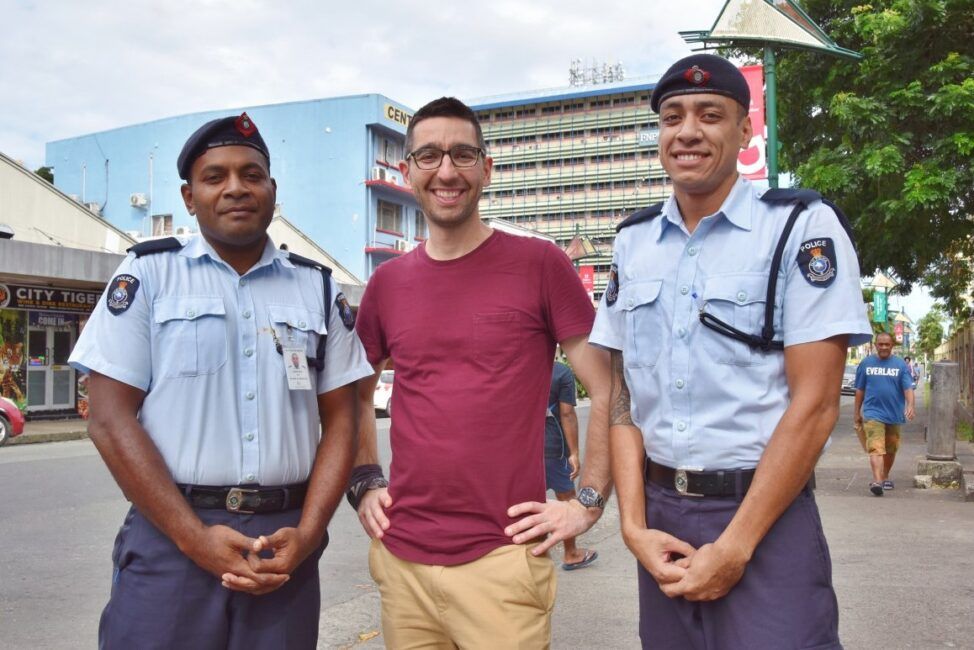
The main police stations can be found in Nadi, Suva, Lautoka, Savusavu, Labasa and beyond – look out for blue-painted “Police Posts” in many smaller communities.
For the location of major police stations and police posts in each regions, follow the links below:
Viti Levu (Fiji’s Main Island)
- Information, Shops & Services in Nadi
- Information, Shops & Services in Denarau
- Information, Shops & Services in Sigatoka & the Coral Coast
- Information, Shops & Services on the Pacific Harbour
- Information, Shops & Services in Suva
- Information, Shops & Services in Lautoka, Rakiraki & the Suncoast
Fiji’s Outer Islands
- Information, Shops & Services in the Mamanuca Islands
- Information, Shops & Services in the Yasawa Islands
- Information, Shops & Services in Savusavu & Vanua Levu
- Information, Shops & Services on Taveuni
- Information, Shops & Services on Kadavu
- Information, Shops & Services in Levuka & the Lomaiviti Islands
- The Complete Travel Guide to the Lau Islands
 © FijiPocketGuide.com
Water Safety in Fiji
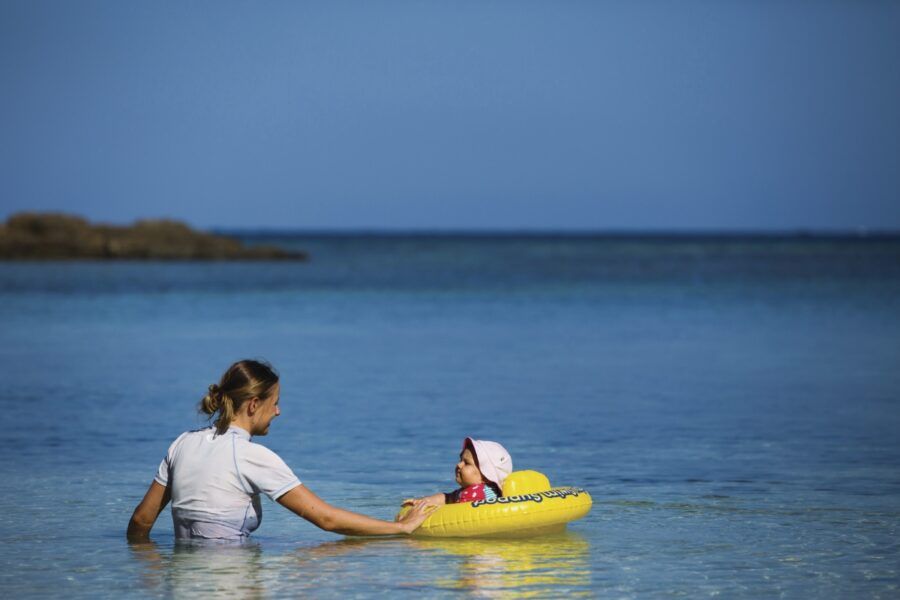
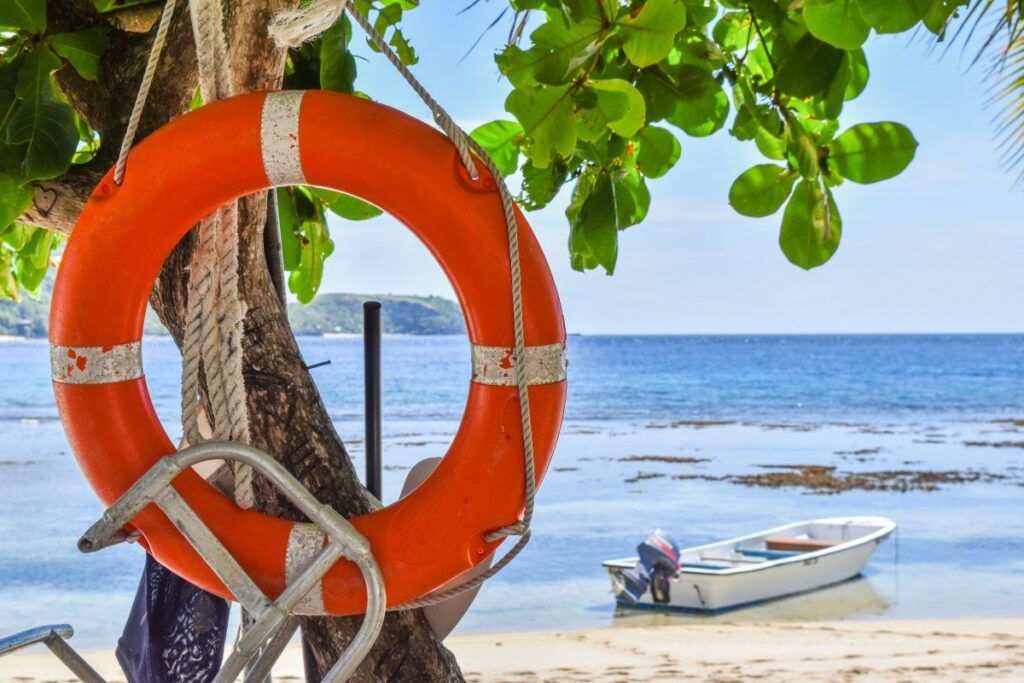
Water activities are a highlight of Fiji, but precautions should be taken when out swimming.
Not all beaches are good for swimming in Fiji, so you should always seek advice before heading out. Snorkelling, for instance, is not good at low tide in some snorkelling spots. You’ll want to avoid coral cuts or getting chomped by a giant clam!
Most essentially, swimmers should be wary of currents and tidal changes, particularly the swift movement of water through reef passages. Reef passages can usually be spotted from on-shore – better from an elevated position – as a width of darker (deeper) water can usually be spotted extending out to the reef.
Finally, never swim alone and always seek local advice on conditions.
 © FijiPocketGuide.com
Road Safety in Fiji
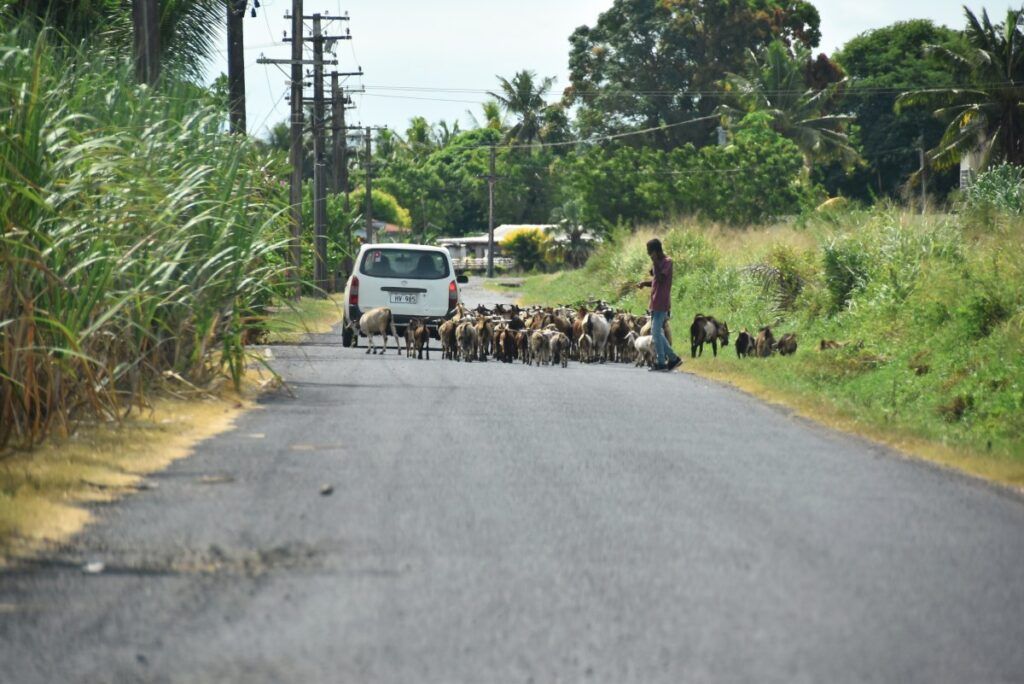
The final danger or potential hazard in Fiji is the roads. Although speed limits are low and there are efficient road rules in place, the roads can be congested in Nadi and Suva, and accidents on the road do happen. Some safety tips for driving on the roads in Fiji include:
- Take it easy and stick to the speed limit
- Watch out for children and animals on the road
- Be mindful of the buses and other drivers
- Wear a helmet when riding a scooter
- Take extra care when driving on unsealed or pot-hole roads
- Overtake carefully
- Don’t park under coconut trees
- Be careful when driving after dark and/or in wet conditions
- Don’t use your phone when driving
- Wear your seatbelt.
We have elaboration on these safety tips in the 15 Safety Tips for Driving in Fiji, as well as road rules to follow in How to Drive in Fiji+ 10 Road Rules You Need to Know.
 © FijiPocketGuide.com
Medical and Travel Insurance for Fiji
Hospitals are available on the main islands of Viti Levu, Vanua Levu, Taveuni and Kadavu. The more remote you go in Fiji, the more basic the health services are.
If you have health insurance that does not cover you abroad, consider purchasing some travel insurance. Good travel insurance for Fiji should include cover for theft, illness and injury as a standard. It’s also worth adding on policies for evacuation and “dangerous sports” for travel insurance for Fiji, which usually includes snorkelling, scuba diving and surfing.
Travel Protection Membership
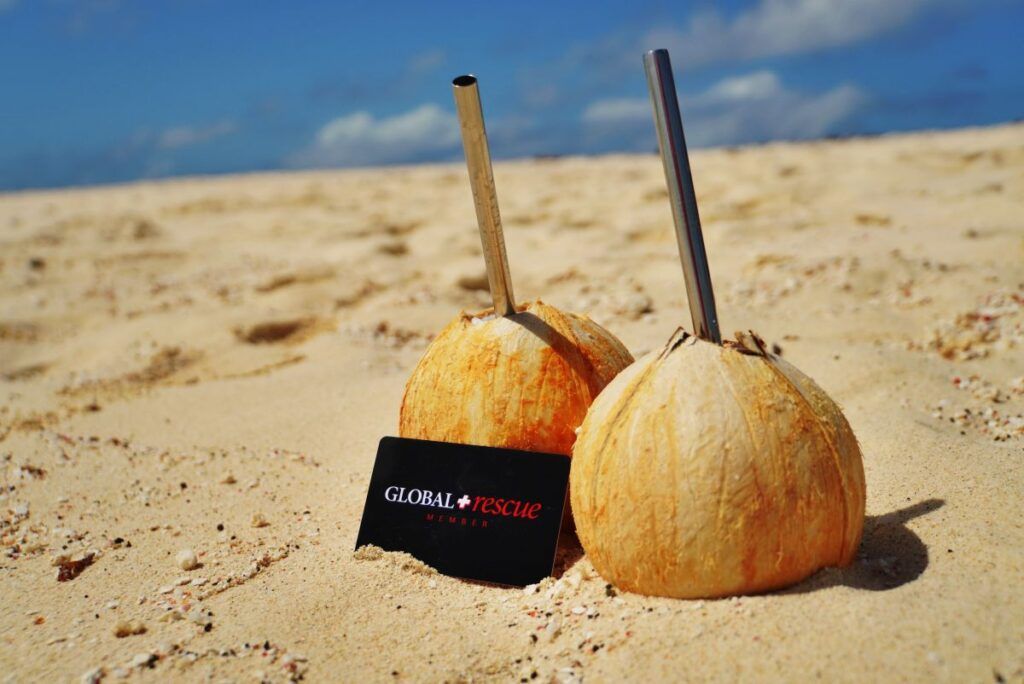
The most comprehensive travel protection we’ve found is Global Rescue, which not only acts as a personal assistant for your health and safety, handling everything from expediting replacement of a lost passport to medical guidance, but even manages rescue and medical evacuation, should the worst occur.
Check out our Exclusive Deal with Global Rescue to gain one of the world’s most comprehensive travel protection memberships.